




Seeking support and community is more important than ever after you or your loved one loses a spouse. A structured activity that anchors your day can help you cope with grief.
Crafting is one such outlet to keep your hands busy while quieting mental chatter, helping you process emotions nonverbally.
There are plenty of art therapy activities for adults to choose from, and below are some ways to get started.
Creating Art About Loss as a Path to Acceptance
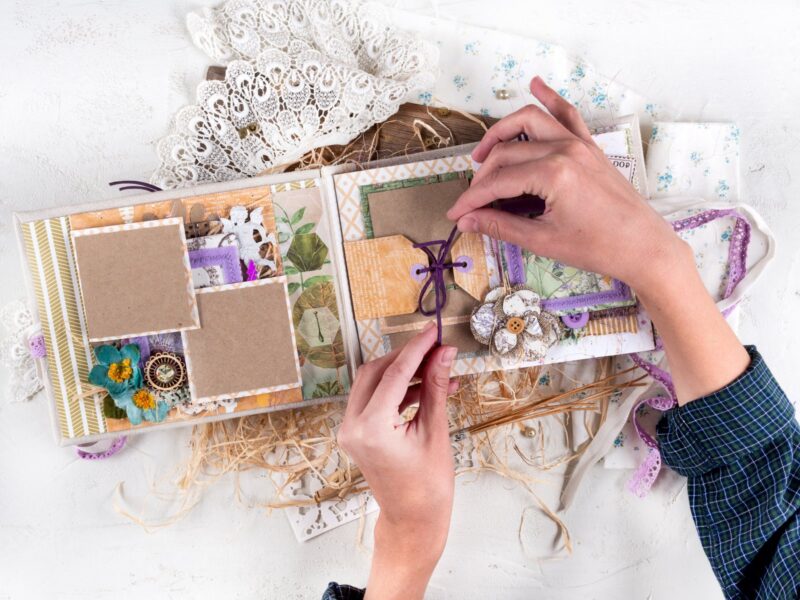
Channeling your emotions by making art about loss can be a pathway toward acknowledgment and acceptance of the loss. You can incorporate memories or items of your spouse into your art, such as scrapbooking, painting a memory box or making a quilt from a spouse’s shirt. This can be a loving act of meaning-making and self-acceptance.
Besides processing emotions, art can also be a great way to create connections with others. You can join classes, a local crafts group and workshops to meet fellow artists, build new experiences and connect socially. You can also try going to exhibitions and events that encourage sharing one’s vulnerabilities.
The Science Behind How Creativity Heals Grief
The good feeling people get from doing crafts is actually science-backed. Across studies on craft treatments, participants reported better mood and life satisfaction after doing crafts as a form of mental health support.
The activity helps you turn passive grieving into active creation, transforming your feelings into edges, textures and shapes that you can have control over. Crafts also serve as a tangible way to focus on an activity rather than letting your thoughts linger.
Finding Your Path with Art Therapy Activities for Adults
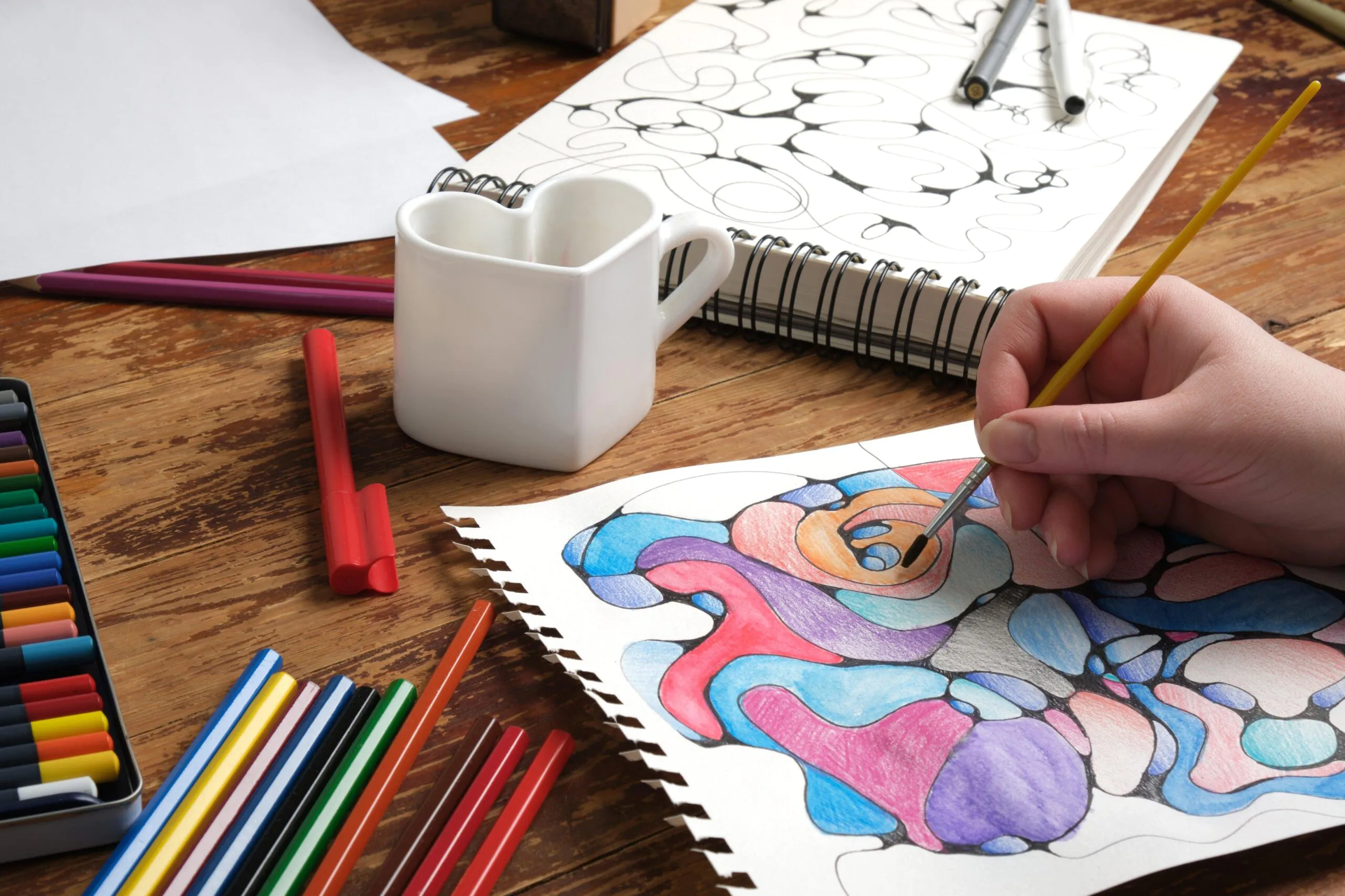
Creating art about loss can be a profound yet gentle way to process grief, but you can also explore crafting for the sake of the repetitive, soothing motions. Whatever works best for you, here are simple ways craft arts can improve your day.
Process Complex Emotions with Repetitive Motions
The steady and repetitive movement of knitting, crocheting and weaving can be calming and meditative. The predictable rhythm of these activities provides your brain with a sense of control and a non-thinking way to regulate emotions.
Express Feelings Through Color and Form
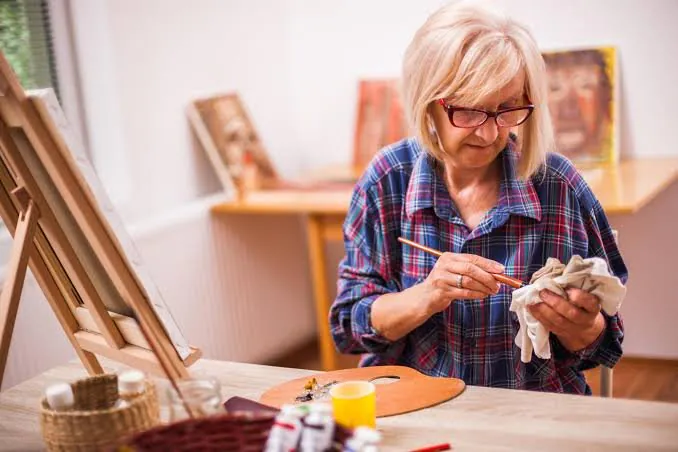
Other nonverbal crafts you can try include watercolor painting, drawing and working with modeling clay. You don’t have to be an artist or produce a recognizable object. The goal is simply to give your feelings a visible form without having to explain them in words.
You might:
- Choose one color that best matches how you feel that day.
- Blend several colors when your emotions feel mixed or difficult to define.
- Use broad, forceful strokes to release tension or soft, repeated marks to create a sense of calm.
- Shape clay into an abstract form that represents heaviness, change, comfort or hope.
- Create two small pieces showing how you felt before and after the activity.
- Give the finished work a title, even if you do not show it to anyone else.
Research has found some common color-emotion associations. Blue and green are often connected with calmer, lower-energy feelings, while yellow and orange tend to be associated with more positive, energetic emotions.
However, these meanings are not universal. Personal memories, experiences and cultural background can influence what a color represents to you.
Connect with Nature to Reduce Anxiety
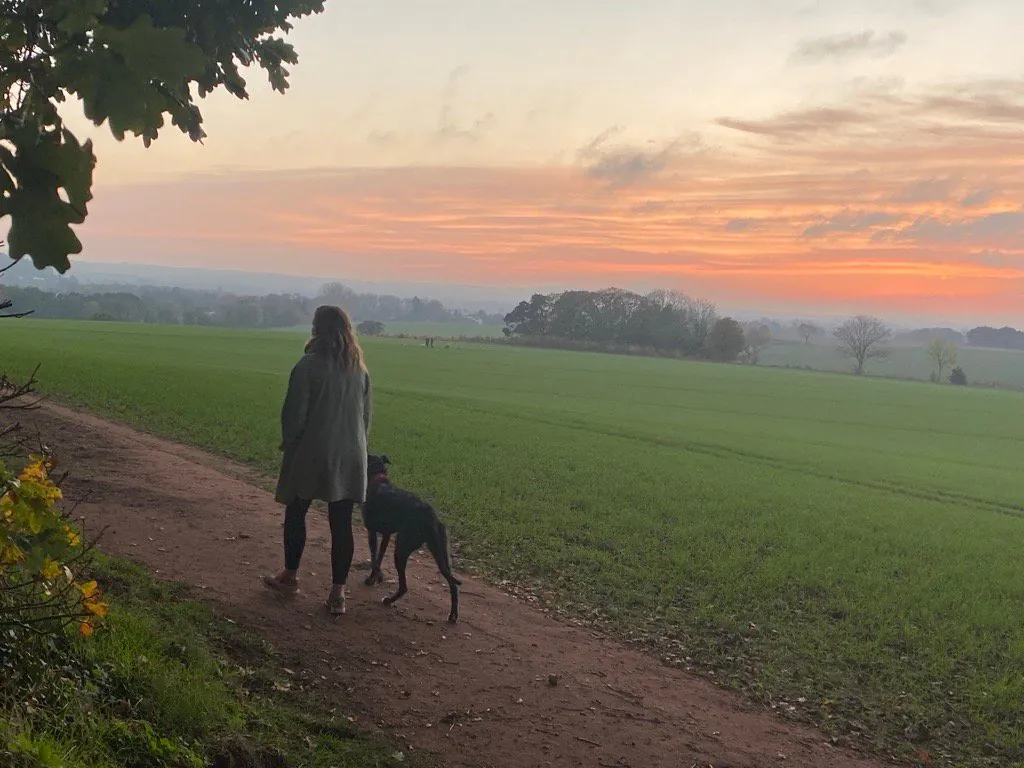
Directing your mind to nature is a great way to boost cognition and creativity and reduce anxiety. As such, you can try doing simple nature-based crafts such as flower arrangement, pressed flower art and painting simple landscapes.
Try visiting your local parks or you can just start in your own backyard. Find a flower or tree that piques your interest and try recreating it. You can also simply appreciate nature and the present moment.
Choosing Crafts That Also Nurture Your Physical Well-Being
Besides mental wellness, craft arts can also improve your physical health.
1. Ease Joint Discomfort with Gentle Fiber Arts
Knitting and crocheting can help older adults with osteoarthritis unwind while keeping their fingers flexible. To ensure that you have good ergonomics, make sure to choose elastic wool or wool-blend yarns for easier manipulation compared to cotton and synthetic fibers.
Lightweight needles are easier on the hands compared to traditional metal needles. Additionally, don’t be afraid to use assistive tools such as crochet hooks, punch needles, rubber grips and compression gloves. Make sure you incorporate proper posture to prevent tension.
2. Improve Dexterity and Strength with Clay or Pottery
Pottery is an excellent and low-impact hobby to try for maintaining your hand strength and fine motor skills. These are crucial factors for independence and confidence. Examples of activities include kneading, rolling and shaping clay.
Additionally, you get to keep or gift your creations. Try making mini vases, small plates, coasters and mugs which you can gift family and friends.
3. Boost Focus and Cognitive Skills with Detailed Projects
Some crafts require a bit more concentration. Examples include paint-by-numbers, scrapbooking and model building. Focusing on these activities can be a good practice for mindfulness and being in the present moment while improving cognitive thinking and even socialization.
Remember to take a break every now and then. You want these craft hobbies to supplement your life and be a source of joy and motivation.
Gently Begin Your Healing Craft Journey
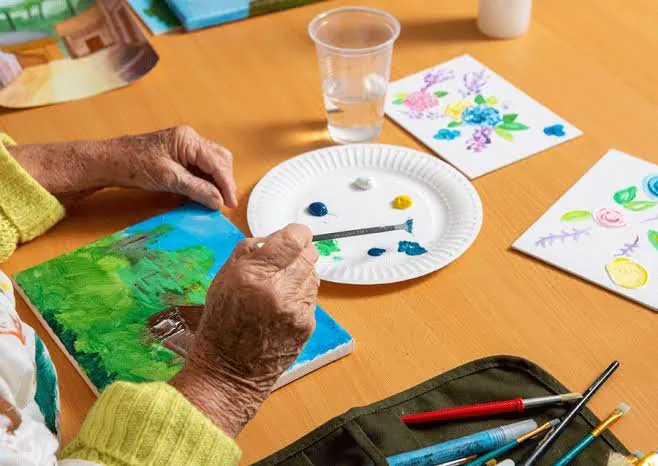
Art therapy activities for adults are a gentle, personal and powerful tool to help navigate grief. You don’t have to create something grand or elaborate. Even simple craft projects that get your hands going can be a good way to soothe your days.