








Cyprus attracts retirees seeking sunshine, manageable living costs, accessible healthcare, and an established international community.
Buying a home there, however, requires more than choosing a coastal town and calculating the purchase price.
Residency rules, property checks, healthcare access, pension taxation, transportation, and long-term mobility all influence how comfortable retirement will be.
Choosing a Home for Later Life
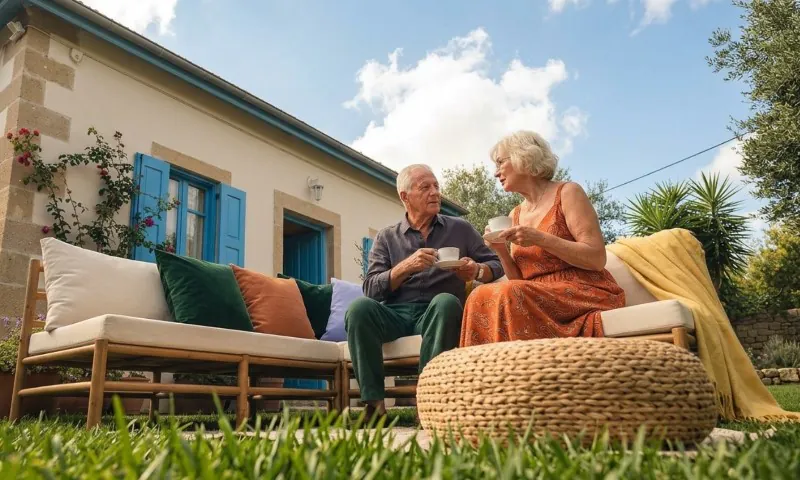
A retirement property should support daily comfort now and reduced mobility later.
Long-term planning is especially relevant given Cyprus’s life-expectancy figures.
Life expectancy at birth reached 81.4 years for men and 85.8 years for women in 2024, increasing from 81 and 85 years respectively in 2023.
A home purchased at retirement may therefore need to support its owner for two decades or longer.
Useful features include:
- Step-free entry
- A dependable elevator in apartment buildings
- A bedroom and bathroom on the main level
- A walk-in shower
- Wide doors and hallways
- Space for mobility equipment
- Easy parking
- Low-maintenance outdoor areas
- Reliable air conditioning
- Effective winter heating
- Year-round neighbors and services
Location should allow easy access to a pharmacy, supermarket, doctor, hospital, bank, and social activities.
Walking distance can be valuable, but pavement quality, slopes, traffic, and summer heat must also be considered.
Buyers planning a new home can browse available house models by Elythera Homes and compare layouts based on floor area, bedroom placement, bathroom access, and space for future mobility aids.
Any selected design should also be reviewed for step-free entry, effective insulation, manageable maintenance, and proximity to year-round services.
Choosing the Right Area
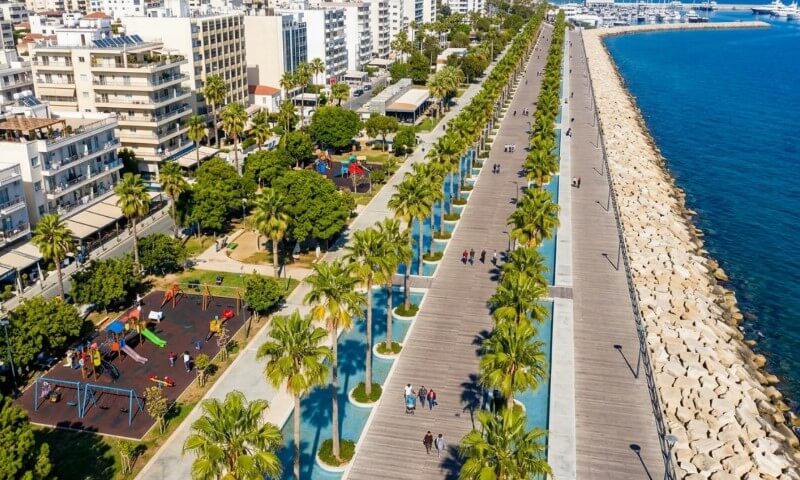
Location affects housing costs, healthcare access, transportation, social life, and daily independence. Older buyers should evaluate each city based on practical needs rather than holiday impressions.
Official 2024 data shows a considerable price gap between districts:
- €2,975 per square meter in Limassol
- €2,010 per square meter in Paphos
- €1,933 per square meter in Larnaca
- €1,898 per square meter in Nicosia
Limassol’s median price per square meter was therefore about 48% higher than Paphos and about 54% higher than Larnaca.
Limassol
Limassol offers extensive healthcare, shopping, cultural events, international schools, restaurants, and professional services. Private hospitals and specialist clinics are easier to access than in many smaller communities.
Higher prices are the main disadvantage. Housing and general living costs are among the highest on the island, particularly near the coast and in newer developments.
Monthly expenses for a retired couple, including rent, may exceed €2,500. Luxury developments and central coastal neighborhoods can push that figure considerably higher.
Paphos
View this post on Instagram
Paphos is one of the island’s most established retirement destinations.
Large English-speaking communities, coastal neighborhoods, private medical facilities, supermarkets, restaurants, and leisure activities make daily life relatively convenient.
Housing and general expenses are often lower than in Limassol. Travel to Limassol usually takes around one hour, while reaching Nicosia can take more than 90 minutes.
Some coastal and tourist-focused neighborhoods become much quieter during winter.
Buyers planning to live in Cyprus throughout the year should check local opening hours, transportation options, and access to medical care outside peak season.
Larnaca
Larnaca combines coastal living with relatively moderate housing costs. Proximity to Cyprus’s main international airport is useful for retirees who expect frequent visits to family or regular travel abroad.
Daily expenses are generally lower than in Paphos or Limassol. Monthly costs for a couple, including rent, may fall between approximately €1,800 and €2,200, depending on location and lifestyle.
Larnaca also has a flatter urban layout than many parts of Paphos, which may help people with reduced mobility.
Nicosia
Nicosia provides strong access to major hospitals, government offices, legal services, and administrative institutions. Year-round business activity also means fewer seasonal closures.
Lack of direct coastal access may discourage buyers seeking a seaside retirement. Summer temperatures can also feel more intense inland.
Residency Options
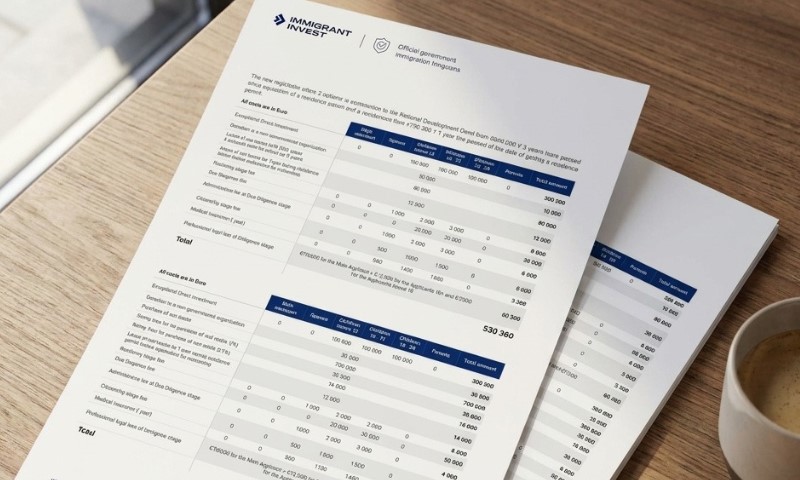
Residency requirements depend on citizenship, income, property ownership, and intended length of stay. Buying a home does not automatically grant residence rights.
EU Citizens
EU citizens do not need a visa to enter or live in Cyprus. Anyone staying longer than three months must register and obtain a residence certificate commonly called a Yellow Slip.
Applicants normally need identification, proof of accommodation, health coverage, and evidence of employment or sufficient financial resources.
Five years of continuous legal residence may create eligibility for permanent residence.
UK and Other Non-EU Citizens
Cyprus does not provide a dedicated retirement visa. Non-EU retirees generally rely on temporary residence, Category F residence, or an investment-based route.
Cyprus’s Department of Lands and Surveys publishes separate monthly figures for purchases and deposited sale contracts involving EU and non-EU foreign buyers.
Buyers can use these records to compare activity by district instead of relying only on estate-agent claims about international demand.
Required Documentation
Residency applications may require:
- Proof of regular income
- Passport and civil-status documents
- Property ownership documents or a rental agreement
- Private health insurance
- Bank statements
- Criminal-record certificates
- Marriage or birth certificates for dependants
Documents issued abroad generally need an apostille and a certified translation into English or Greek.
Tax and Pensions

Tax planning should begin before relocation because residence status can affect pension income, investments, property income, and reporting duties.
Tax Residence
Spending more than 183 days in Cyprus during a calendar year usually establishes Cyprus tax residence.
A separate 60-day rule may apply when an individual:
- Spends at least 60 days in Cyprus
- Does not spend more than 183 days in another single country
- Maintains a permanent home in Cyprus
- Continues qualifying employment, business activity, or a company directorship in Cyprus
Starting January 1, 2026, applicants using the 60-day test are no longer required to prove that they lack tax residence in every other country.
Retirees without local employment, business activity, or a company position may not satisfy all conditions of the 60-day rule. Professional advice is important before relying on it.
Taxation of Pension Income
Qualifying pension income earned abroad may be taxed under one of two systems:
- Standard progressive income-tax rates, including a reported €22,000 tax-free band
- A flat 5% rate on pension income above €5,000
Taxpayers can choose between the two methods each year. Annual choice allows retirees to use the method producing the lower liability based on pension size and personal circumstances.
A pension of €24,000 would leave €19,000 exposed to the 5% rate. Resulting Cyprus tax would be approximately €950 before treaty provisions, deductions, or individual circumstances are considered.
FAQs
Summary
Cyprus can provide a comfortable retirement based around sunshine, international communities, favorable pension-tax options, and access to national healthcare.
Successful relocation depends on coordinating residence, property ownership, taxation, healthcare, transportation, and long-term affordability.
A suitable home should have secure title, manageable ongoing costs, year-round services, and practical access to medical care. Layout and location should also support future changes in mobility and driving ability.
Careful planning before purchase can protect both retirement savings and daily independence.