


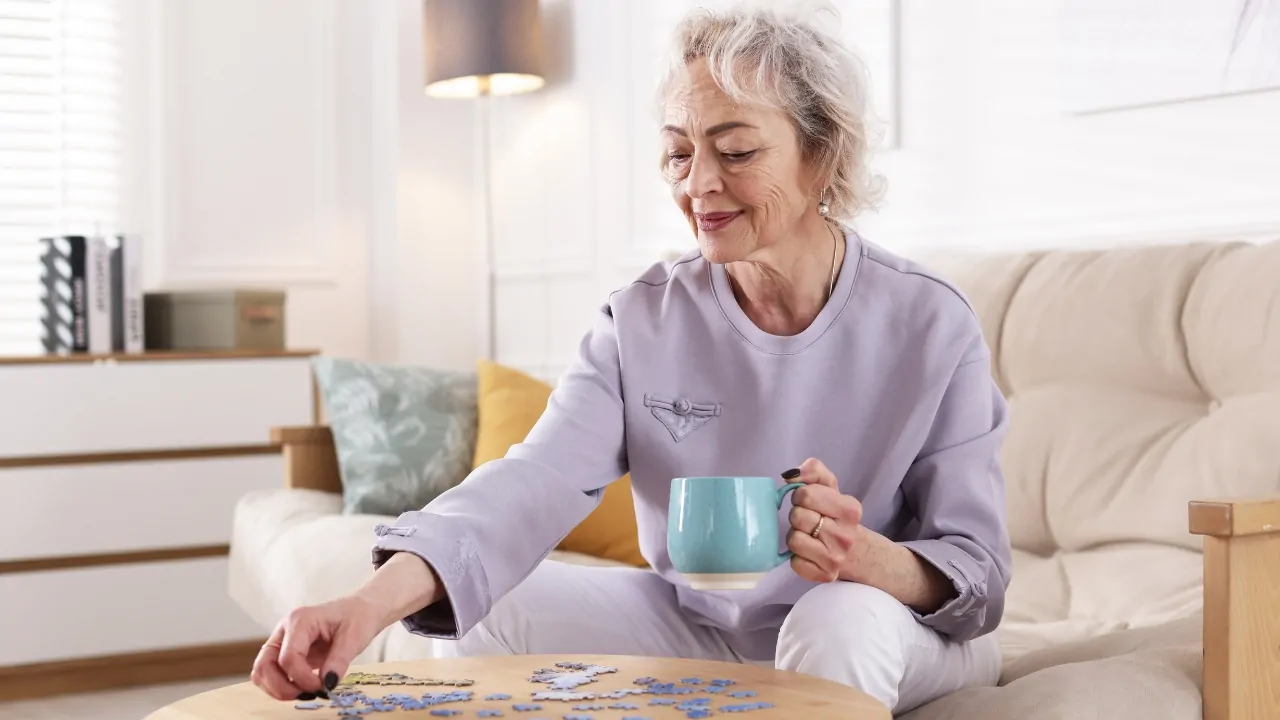

Home-based hobbies are valuable because they lower the barrier to starting. No commute, no membership fee, no awkward first class. A person can begin with a notebook, a deck of cards, a chair, a few packets of seeds, or a tablet.
The National Institute on Aging notes that meaningful social and productive activities can support well-being and independence as people age. The agency also recommends keeping the mind engaged, staying connected, and remaining physically active as part of cognitive health.
A 2023 study in JAMA Network Open linked later-life enrichment activities, including literacy, creative art, and mental activities, with lower dementia risk among older adults. Research cannot promise that one hobby prevents disease, but it does strengthen the case for regular engagement.
A Quick Look At Easy At-Home Senior Hobbies
| Hobby | Equipment Needed | Best For | Starter Time |
| Journaling | Notebook, pen | Memory, reflection, routine | 10 minutes |
| Chair exercise | Stable chair, comfortable shoes | Strength, balance, circulation | 10 to 20 minutes |
| Indoor gardening | Pot, soil, seeds, or herbs | Calm, light movement, routine | 15 minutes |
| Puzzles | Crossword book, jigsaw, app | Focus, memory, patience | 10 minutes |
| Birdwatching from a window | Notebook, binoculars optional | Observation, calm, learning | 5 minutes |
| Cooking small-batch recipes | Basic kitchen tools | Creativity, nutrition, confidence | 30 minutes |
| Handcrafts | Yarn, paper, fabric, glue | Fine motor skill, creativity | 20 minutes |
| Music listening or learning | Radio, phone, keyboard optional | Mood, memory, pleasure | 10 minutes |
1. Journaling For Memory And Daily Rhythm
Journaling is one of the easiest hobbies to start because it needs only paper and a pen. Seniors can write 3 lines about the day, list meals, record visitors, note weather, or describe one memory from childhood.
View this post on Instagram
For seniors who like keeping favorite pens in one place, a leather pencil case can make journaling feel a little more organized and personal without adding clutter to a bedside table or desk.
A structured journal can work well for people who do not enjoy open-ended writing. Prompts can be practical:
- What made today easier?
- Who did I speak with?
- What did I notice outside?
- What song, smell, or meal brought back a memory?
Journaling also creates a gentle record for family members. Over time, small entries become a personal archive, especially when they include recipes, sayings, old neighborhood details, and family stories.
2. Chair Exercise And Gentle Movement
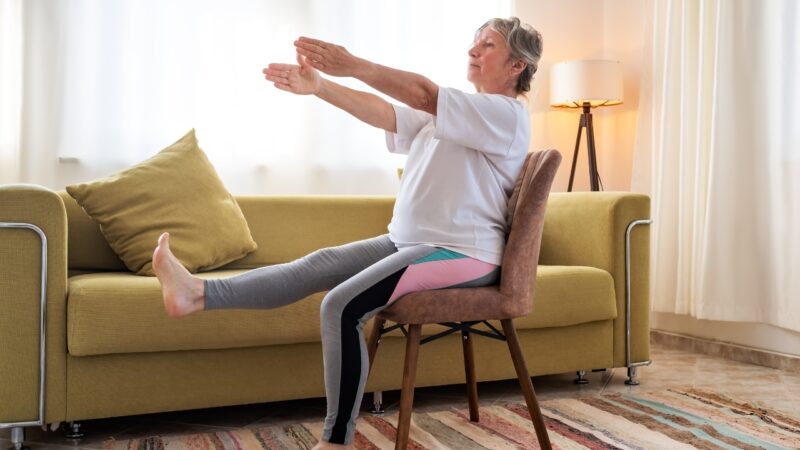
For seniors who want a hobby with health benefits, chair exercise is a strong option. The CDC recommends that adults 65 and older aim for 150 minutes of moderate aerobic activity weekly, plus muscle-strengthening activity at least 2 days a week, and balance work.
Health status and mobility vary, so many older adults need modified routines and medical guidance before changing activity levels.
At home, gentle movement might include seated marches, heel raises, arm circles, light resistance bands, or standing behind a chair for balance practice. Short sessions often feel more realistic than long workouts.
Easy Beginner Routine
| Movement | How Long | Main Benefit |
| Seated marching | 1 minute | Warm legs and hips |
| Shoulder rolls | 10 slow circles | Reduces stiffness |
| Sit-to-stand practice | 5 repetitions | Builds leg strength |
| Heel raises | 10 repetitions | Supports calf strength and balance |
| Deep breathing | 1 minute | Helps calm the body |
Safety matters. A stable chair, clear floor space, good lighting, and supportive shoes reduce risk.
3. Indoor Gardening With Herbs Or Small Plants
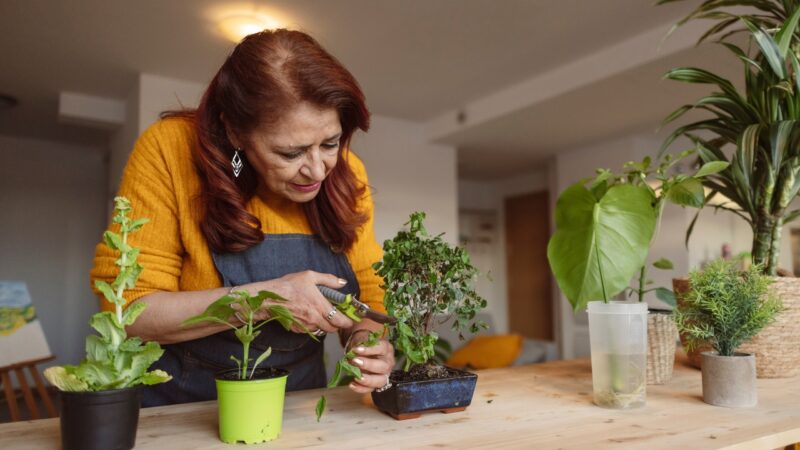
Indoor gardening gives seniors a living routine: water, prune, rotate toward sunlight, check leaves, wait. Herbs such as basil, mint, parsley, and chives are forgiving choices. A sunny windowsill, a small pot, and light soil are enough.
Gardening at home also adds sensory pleasure. Touching soil, smelling herbs, and watching new growth can make indoor days feel less static. For seniors who once had a yard or farm, small containers may reconnect them with a familiar part of life.
- Mint, because it grows quickly
- Pothos, because it tolerates low light
- Basil, because it rewards regular trimming
- Aloe, because it needs little water
- Microgreens, because results appear fast
4. Puzzles, Crosswords, And Word Games
Puzzles suit seniors who enjoy quiet focus. A crossword book, word search, Sudoku page, or jigsaw puzzle can fill small pockets of time without much setup.
NIA recommends keeping the mind engaged as one part of cognitive health. JAMA Network Open research also places adult literacy and mental activities among later-life enrichment patterns associated with lower dementia risk.
A helpful approach is to match the puzzle to the person, not to an ideal difficulty level. Large-print crosswords may work better for vision changes. Smaller jigsaws with 100 to 300 pieces may feel more satisfying than a 1,000-piece puzzle that takes over a table for weeks.
5. Window Birdwatching And Nature Notes
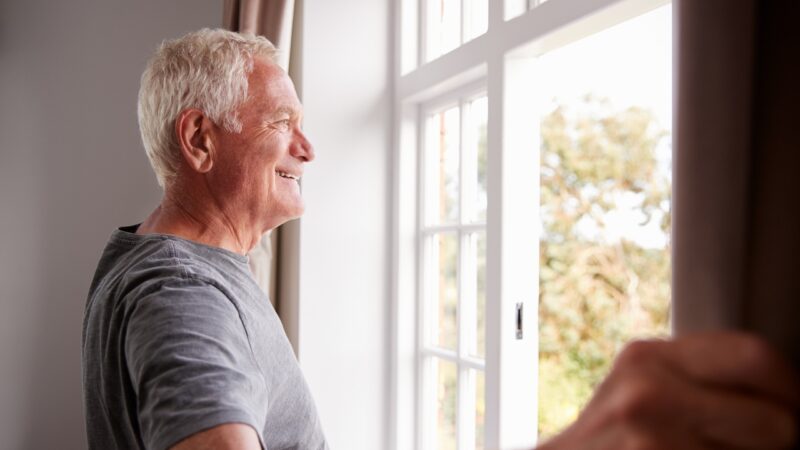
Birdwatching does not require a trail, a park, or expensive binoculars. A window, balcony, or porch can become a small observation post.
A senior can keep a notebook with dates, weather, bird colors, feeding times, and behaviors. Over time, patterns appear. Sparrows arrive in groups. Crows keep routines. Pigeons become recognizable. Seasonal changes start to feel visible.
- A chair near a window
- A notebook
- A pencil
- A basic bird guide or a free bird identification app
- Binoculars, only if useful and comfortable
Nature observation pairs well with a gentle daily structure. Morning tea plus 10 minutes of bird notes can become a steady ritual.
6. Small-Batch Cooking And Recipe Projects

Cooking can remain enjoyable even when large meals feel tiring. Small-batch cooking turns the kitchen into a creative space without requiring a full family dinner.
A senior might try one soup, one baked fruit dish, one sandwich variation, or one family recipe per week. Recipe cards can also become a family history project. Notes such as “your grandfather liked extra pepper” or “made every Easter” carry meaning beyond ingredients.
- No-knead bread
- Vegetable soup
- Baked apples
- Omelets
- Rice pudding
- Herb butter
- Simple salads with soft textures
Cooking hobbies can also support nutrition, although dietary needs should follow medical advice for diabetes, kidney disease, heart disease, swallowing problems, or medication interactions.
7. Handcrafts With Low-Cost Supplies
@athomewithdementia Crafts that keep the brain thinking and hands moving is the best kind of craft! #dementia #dementiaawareness #dementiacaregiver #dementiacare #fyp #dementiaactivities #love #alwayshomeconnectedactivityboxes #foryourpage #fun #familytime @Always Home Connected Shop ♬ Unstoppable – Sia
Handcrafts offer visible progress. A scarf grows row by row. A greeting card takes shape. A photo album becomes easier to browse.
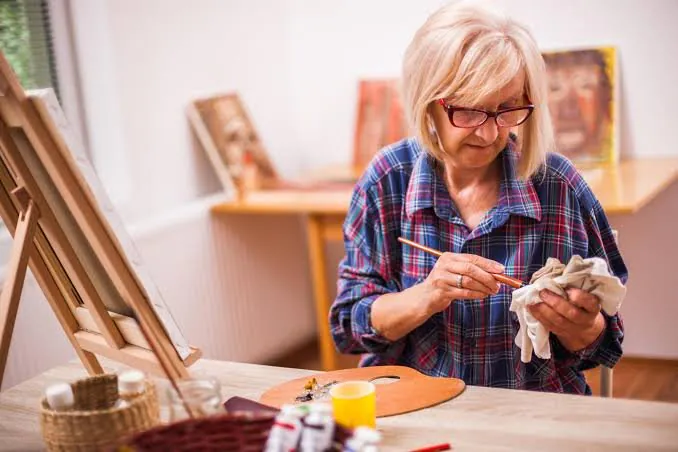
Good beginner crafts include knitting, crochet, paper collage, simple embroidery, clay modeling, greeting cards, and basic watercolor. Supplies can be inexpensive, especially when projects use leftover fabric, old magazines, family photos, or recycled jars.
Handcrafts are also flexible. Someone with arthritis may prefer thicker pens, chunky yarn, larger needles, or foam grips. Good lighting and short sessions can make the hobby easier on the hands and eyes.
8. Music As A Daily Hobby
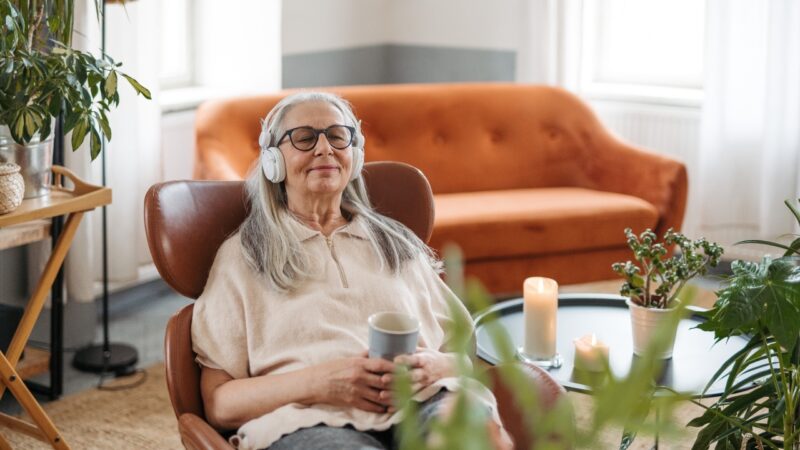
Music can be passive, active, or somewhere in between. Listening with intention already counts as a hobby when a person chooses songs, builds playlists, compares recordings, or writes down memories connected to music.
More active versions can include singing along, learning simple keyboard melodies, tapping rhythms, or joining virtual choir sessions. For seniors with memory changes, familiar songs may still bring strong emotional responses and conversation.
- Monday: songs from teenage years
- Wednesday: one new artist
- Friday: family favorites
- Sunday: hymns, jazz, folk, or classical pieces
The equipment can be as simple as a radio, CD player, phone, or smart speaker.
9. Phone Photography At Home

Photography no longer requires a dedicated camera. A phone or tablet can turn ordinary rooms into creative subjects: sunlight on a table, a plant cutting, a cup of coffee, old family objects, clouds outside the window.
A senior can choose weekly themes such as “red,” “circles,” “memories,” or “morning light.” Photos can later become printed cards, family texts, or a digital album.
Phone photography also encourages closer attention. Rather than waiting for special occasions, the hobby trains the eye to notice small scenes already nearby.
10. Reading Aloud Or Audiobook Clubs

Reading remains one of the most accessible at-home hobbies, especially when adapted to vision and attention needs. Large-print books, audiobooks, e-readers with adjustable font size, and library apps make reading easier than in the past.
A small audiobook club can happen by phone. Two friends listen to the same chapter during the week, then discuss one question. No travel needed.
Social connection matters because loneliness and social isolation are associated with higher risks for heart disease, depression, and cognitive decline, according to NIA.
How To Choose The Right Hobby
The best senior hobby usually fits 3 conditions: low friction, personal meaning, and room for progress. A former teacher may enjoy tutoring a grandchild online. A retired mechanic may like model kits. A lifelong gardener may prefer herbs over crossword puzzles.
- Can the hobby start in 10 minutes?
- Are supplies already at home?
- Can it be done seated?
- Does it allow rest breaks?
- Can family or friends join remotely?
- Does it create something visible or memorable?
A hobby should feel inviting, not like another obligation.
Summary
Senior hobbies at home work best when they are simple, affordable, and easy to repeat.
Journaling, chair exercise, indoor gardening, puzzles, crafts, music, cooking, and reading can bring structure to the day while supporting movement, focus, creativity, and connection.
Small starts count. A 10-minute routine can become a meaningful part of daily life.