




Many veterans prefer to remain in the comfort of their own homes as they age or recover from illness or injury. However, everyday tasks such as meal preparation, personal hygiene, housekeeping, and transportation can become increasingly difficult over time.
Home care services for veterans provide practical, non-medical assistance that helps veterans maintain their independence while receiving the support they need to live safely at home.
Family Matters In-Home Care is a VA-authorized provider that offers personalized in-home care for eligible veterans throughout California while helping families understand available VA benefits and care options.
What Are Home Care Services for Veterans?
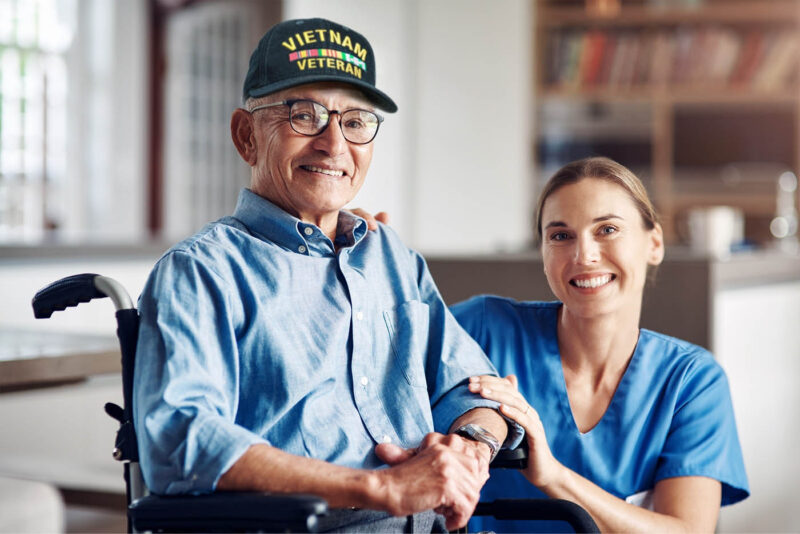
Home care services for veterans are designed to assist with daily living activities that may become challenging due to aging, chronic health conditions, disability, or recovery from surgery.
These services allow veterans to continue living in familiar surroundings while receiving individualized support based on their unique needs.
Family Matters In-Home Care offers flexible care plans that promote comfort, dignity, and independence while respecting each veteran’s preferences and routines.
Benefits of Receiving Care at Home
Remaining at home offers many physical and emotional benefits. Familiar surroundings can provide comfort, reduce stress, and help veterans maintain established routines while staying connected to family, friends, and their communities.
Potential benefits of home care include:
- Greater independence
- Personalized one-on-one support
- Familiar surroundings
- Flexible care schedules
- Reduced caregiver stress for family members
- Improved quality of life
Because every veteran’s needs are different, care plans can be adjusted as those needs change over time.
Services That Support Daily Living
The goal of home care is to make everyday activities safer and more manageable while allowing veterans to remain as independent as possible.
Common home care services for veterans include:
- Assistance with bathing, dressing, and grooming
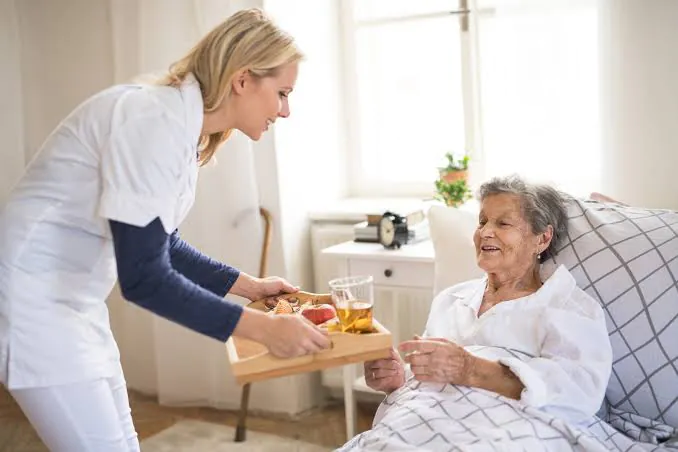
- Meal planning and preparation
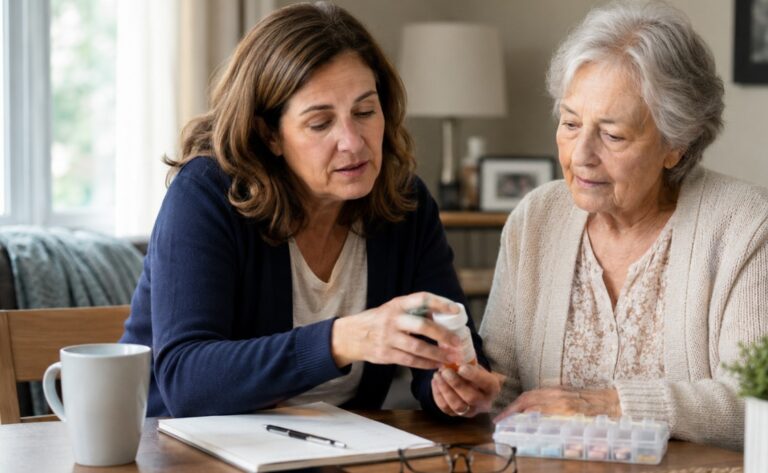
- Medication reminders
- Light housekeeping
- Laundry and household organization
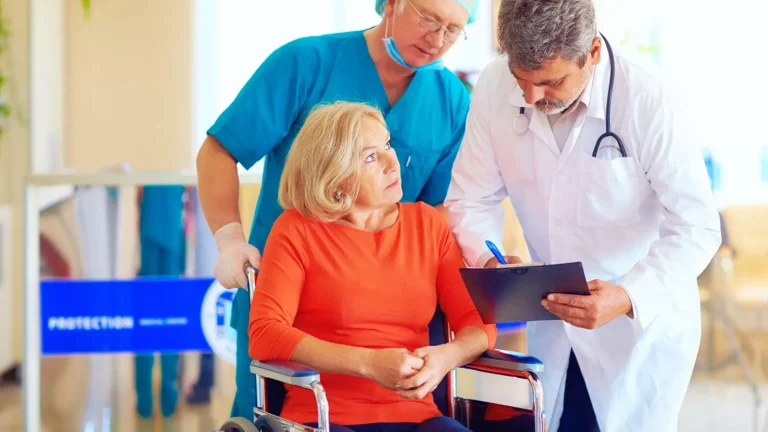
- Transportation to appointments and errands
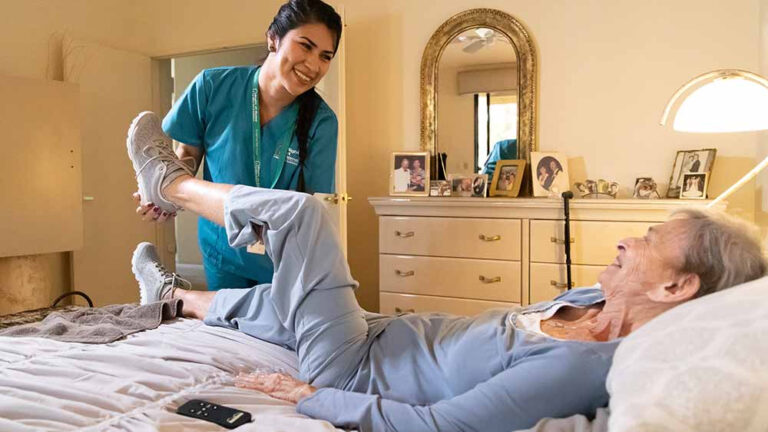
- Mobility assistance
- Companionship and social engagement
These services can be provided for just a few hours each week or on a more comprehensive schedule, depending on the veteran’s needs.
The Department of Veterans Affairs also provides information about its Homemaker and Home Health Aide care program, which can assist eligible veterans with personal care and activities of daily living at home.
Specialized Care for Changing Needs
Some veterans require more than basic assistance with daily activities. Family Matters In-Home Care also supports veterans living with conditions that require additional attention and ongoing supervision.
Care may be appropriate for veterans who:
- Are living with Alzheimer’s disease or dementia
- Need recovery support after surgery or hospitalization
- Require continuous or overnight care
- Experience mobility limitations
- Need assistance because of chronic medical conditions
Personalized care plans allow services to evolve as health needs change over time.
Understanding VA Benefits for Home Care
Many veterans are unaware that they may qualify for in-home care through Department of Veterans Affairs programs. Family Matters In-Home Care is a VA-authorized provider that helps eligible veterans and their families understand available benefits and navigate the approval process.
Depending on eligibility, veterans may have access to programs such as:
- Homemaker and Home Health Aide (HHA) services
- Community Care
- Respite care
Veterans who receive a VA pension and meet certain additional requirements may also qualify for Aid and Attendance benefits, which add a monthly payment to the veteran’s VA pension rather than functioning as a separate home care service.
These programs and benefits may make care more accessible, but eligibility, coverage, and available services vary according to individual circumstances and VA requirements.
Supporting Family Caregivers
Family members often serve as primary caregivers for aging veterans, balancing caregiving responsibilities with work, personal commitments, and their own well-being.
Professional in-home care can provide valuable support by helping with daily tasks and stepping in when family caregivers need time to rest, work, attend appointments, or manage other responsibilities. VA also offers Respite Care for eligible veterans, which can provide short-term assistance when family caregivers need a break from caregiving responsibilities.
This additional support can help reduce caregiver strain while ensuring veterans continue receiving consistent, compassionate care.
Choosing the Right Home Care Provider
Selecting a home care provider involves more than comparing available services. Families should also consider the provider’s experience, caregiver training, communication practices, and familiarity with veterans’ needs and VA programs.
Questions to ask may include:
- Is the agency authorized to work with VA programs?
- Are care plans customized for each veteran?
- Can services be adjusted as needs change?
- How are caregivers selected and supervised?
- What types of specialized care are available?
- Is assistance available for understanding VA benefits?
Finding a provider that offers both compassionate care and guidance through the VA process can make the transition to in-home care much smoother.
Frequently Asked Questions
Helping Veterans Age With Dignity
Growing older or recovering from illness should not mean giving up the comfort of home. Home care services for veterans provide practical assistance that helps veterans remain independent while receiving personalized support tailored to their daily needs.
Through compassionate caregivers, flexible care plans, and guidance with available VA benefits, Family Matters In-Home Care helps veterans and their families create a safe, comfortable environment where they can continue to thrive at home.
