








Caregiving rarely ends when the sun goes down. You track medications, plan meals and stay alert long after everything goes quiet, sometimes feeling that asking for support might let your loved one down. Adult day programs offer a different path, making it possible to care deeply without running on empty. Here’s how a few supported days each week can feel compared to carrying everything on your own.
1. Uninterrupted Space to Breathe and Rest

Solo caregiving often means your brain never truly gets to rest. Even while sleeping, the smallest sounds keep you on edge. That constant vigilance carries a cost. The Centers for Disease Control and Prevention (CDC) found that 25.6% of caregivers reported a lifetime diagnosis of depression, compared with 18.6% of people who weren’t caregiving.
Having a few scheduled days when your loved one is in care can change that pace. You might finally enjoy your coffee while it’s warm, take care of your own appointments or rest without worrying what you’ll miss. Consider two personal needs you’ve put off lately and notice how rare it is to focus on them while caregiving alone.
2. Confidence in Professional Care
Leaving the house can feel risky when you shoulder everything yourself – one missed pill, a forgotten stove or a fall can happen so easily. Adult day programs build protective layers of support. Trained staff manage medications, monitor stability and lead movement activities, all within safe, accessible spaces designed for supervision and ease of movement.
Before enrolling, ask about the staff-to-participant ratio and emergency plans. Getting clear answers, rather than broad assurances, can help transform a stressful trip out into a more peaceful part of your day.
3. Renewed Energy for Connection
When you spend every moment together, your relationship can subtly shift from connection to checklist. Small irritations pile up, making conversation get lost to routine. Research shows that the heavier the caregiving load, the more relationship satisfaction can fall, especially for romantic partners.
A few days apart switches that up. Your loved one enjoys new experiences and company among their peers, giving you things to talk about when you reconnect. Evenings can start to feel more like family time rather than just work.
4. Practical Relief From Financial Strain
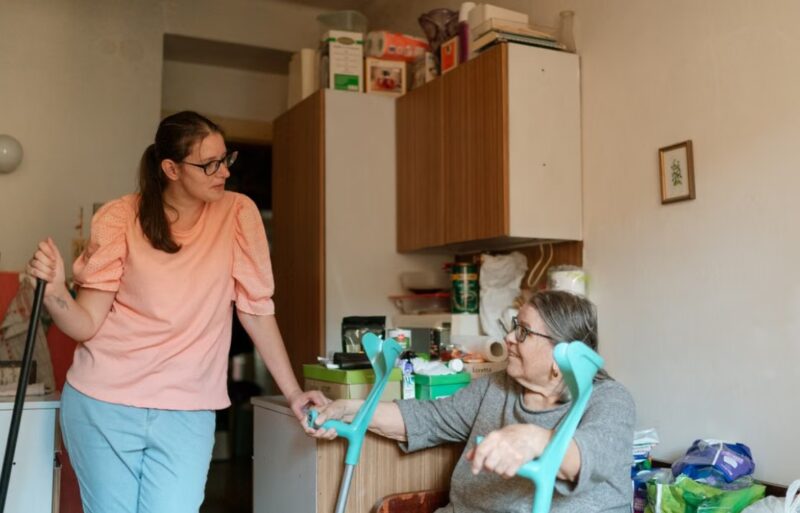
Caregiving solo brings costs rarely seen from the outside, such as reduced work, early retirement or even the physical toll on your body from lifting and daily care. These costs add up nationally, too. Family caregivers contribute roughly $470 billion in unpaid labor each year and spend an average of $7,200 out of pocket annually on caregiving-related expenses.
Having structured care a few days a week helps protect your income, your health and your capacity to keep going. With help, you share the responsibilities and lighten both the visible and hidden costs.
5. Freedom From Caregiver Guilt
Many caregivers silently believe that complete self-sacrifice shows devotion. However, that mindset often masks a feeling of not being enough, no matter how much they give. Left unchecked, it may lead to exhaustion. By seeing support as a partnership, you build a foundation for staying patient and present without running out of energy.
Your loved one may also thrive, gaining independence, friendships and a routine that isn’t centered entirely around you. If trying this feels uncertain, start small. A short trial period can help both of you adjust at your own pace, without pressure for a final decision.
6. Real-World Support from Adult Day Programs Around the U.S.

Adult day programs translate these benefits into everyday support for caregivers and their loved ones. There are community-based adult day programs across the country providing structured activities, personalized care and flexible schedules to suit your needs.
Messiah Lifeways (Mechanicsburg, Pennsylvania)
For families across South Central Pennsylvania, Messiah Lifeways‘ Adult Day program in Mechanicsburg, Pennsylvania, offers a flexible, community-based option. Participants can attend between two and five days a week, with just a two-day minimum, so you can build a schedule around your family’s routine. The program runs Monday through Friday from 7 a.m. to 5 p.m., accommodating working family members while providing nutritious meals, music therapy and social recreation.
Nevada Senior Services (Las Vegas, Nevada)
Adult Day ReCreation by Nevada Senior Services in Las Vegas, Nevada, specializes in dementia and memory support. Its five-to-one participant-to-staff ratio allows for personalized engagement and close health oversight throughout the day. You can choose attendance options extending up to six days a week, an adaptable fit if your work schedule is anything but standard.
Oakwood Creative Care (Mesa, Arizona)
In the Southwest, Oakwood Creative Care in Mesa, Arizona, takes a social day club approach rather than a clinical one, with activities like painting and live music woven into its daily programming. Its Cognitive Stimulation Therapy, led by certified specialists, is designed to support memory, thinking and communication. Oakwood also offers caregiver support services, including nursing assistance and help connecting families with financial resources.
Frequently Asked Questions
A few common questions come up when families first consider adult day programs.
Can attending just two or three days a week actually prevent caregiver burnout?
Research links constant caregiving vigilance to higher rates of diagnosed depression among caregivers. Two or three predictable, scheduled days each week can interrupt that nonstop alertness, giving your nervous system room for real recovery rather than occasional, unplanned breaks that are hard to plan around.
How do adult day programs help improve the relationship between caregivers and their loved ones?
Separate daytime experiences give your loved one autonomy and peer interaction that doesn’t depend on you alone. When you reunite in the evening, conversations can focus on warmth and connection instead of medication schedules, helping the relationship feel less like caregiving and more like family again.
How many days a week should your loved one attend an adult day program?
There is no single schedule that works for every family. Some caregivers start with two or three days a week so their loved one can adjust gradually while they gain predictable time for rest, errands or work. You can increase attendance later if the routine feels helpful and your loved one responds well to the program.
Finding Balance Between Caregiving and Caring for Yourself

Balancing care for your loved one with care for yourself is both practical and essential. Attending an adult day program a few days a week can provide the support you need to sustain home life over the long term. If this feels right for you, consider checking out local programs and scheduling a low-pressure weekday visit. Taking that first step can make all the difference in building a more sustainable, shared approach to care.
