






The day you or your loved one leaves the hospital can feel like a turning point. You’re finally heading home, and you feel relief and hope after days or weeks of worry. But once you get home, a new kind of responsibility begins.
There are medications to manage, appointments to schedule, routines to rebuild and emotions to navigate. And this is where many families feel unprepared. Because the truth is, recovery’s first step doesn’t begin in the hospital. It begins at home, especially in the first week after discharge.
Why the First Week at Home Is So Important
During the first week after a hospital discharge, you or your loved ones are often still in a fragile state. Their body is recovering, their energy may be low and they may be adjusting to new medications or routines. Simultaneously, they are moving from a highly structured medical environment to a home setting that may not be fully prepared for their needs.
This shift can create challenges that, without proper guidance, could increase the risk of complications or hospital readmission. According to the Center for Health Information and Analysis, 36% of readmissions occur within the first week, so the early days at home are especially crucial.
What Families Often Overlook During the First Week
Even with the best intentions, it’s easy to miss important details during the first week. Here are some of the most commonly overlooked aspects of recovery.
Medication Management
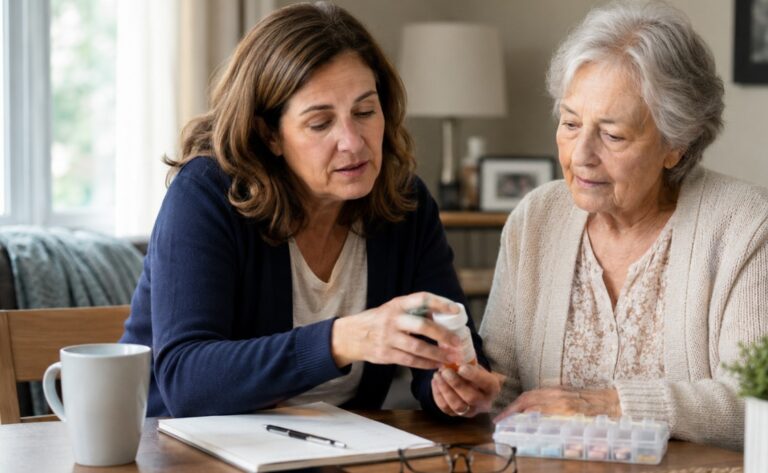
After discharge, medication routines often change. Doctors gave new prescriptions, adjusted dosages or updated schedules. Keeping track of all of this can quickly become confusing.
However, a missed dose, a duplicate medication or taking something at the wrong time can lead to serious health issues.
Many families don’t realize how critical proper medication management is until a problem occurs. Research shows that medication-related errors are responsible for 5% to 41.3% of all hospital admissions and 22% of readmissions after discharge.

Discharge Instructions
Hospital staff provide discharge instructions, but these conversations can feel rushed or overwhelming. You may leave with instructions about follow-up appointments, warning signs to watch for, dietary recommendations and activity restrictions. In the moment, it can be hard to absorb everything. Later, you might find yourself unsure about what to do or when to do it.
Physical Safety at Home
Many families don’t realize how much the home needs to be adapted to prevent accidents or injuries. What once felt safe and familiar may now pose risks. Even getting in and out of bed or using the bathroom may require assistance.
Be especially mindful of hazards that could cause you or your loved one to fall, such as stairs, loose rugs, or poor lighting. A research study found that falls are a leading cause of hospital admission among adults aged 65 and older.
Emotional and Mental Health Needs
After a hospital stay, seniors may experience anxiety about their health, fear of being alone, confusion or memory issues, or feelings of sadness or withdrawal. If your loved one is already dealing with mental health challenges, these feelings can become more intense.
Emotional well-being plays a major role in physical recovery. Without support, progress can slow, and overall quality of life can suffer.
The Reality of Caregiving
Many families assume they can handle everything on their own. But caregiving often involves more than expected, such as coordinating appointments, assisting with daily tasks, managing medications and providing emotional support.
Over time, this can become overwhelming. You may feel pressure to do everything perfectly, while also balancing your own responsibilities. The pressure can lead to stress, fatigue and burnout.

How Care Management Providers Help During This Critical Time
Care management services can play a powerful role. They can help families navigate the transition from hospital to home.
Creating a Clear Plan
One of the biggest benefits of care management is turning confusion into a clear, organized plan. Care managers help review discharge instructions, set up medication schedules, coordinate follow-up care and communicate with healthcare providers.
A clear plan ensures that you don’t overlook anything important. For example, a CDC study found that hospital readmissions can be reduced by 20% if you ensure timely follow-up appointments.
Supporting Mental and Emotional Well-Being
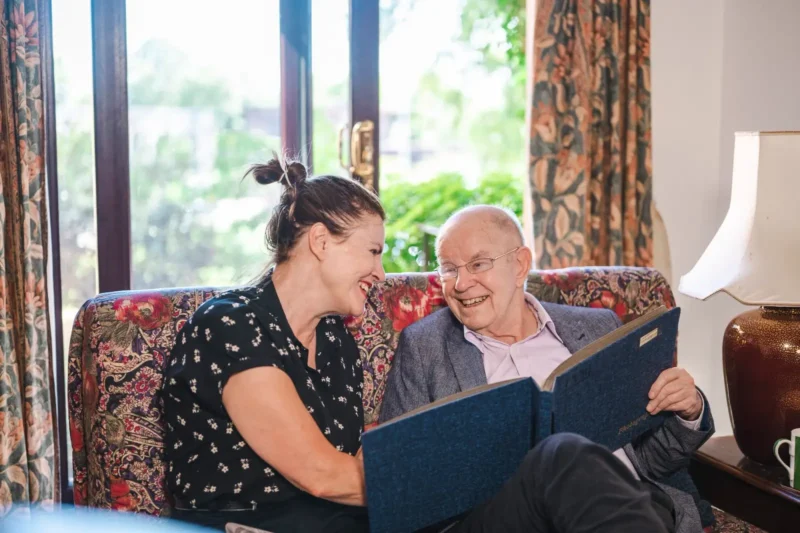
Recovery is both physical and emotional. Care management providers focus on reducing isolation and encouraging daily routines to improve mental health. It also provides professionals who can monitor emotional health and support memory-related conditions.
Improving Safety at Home
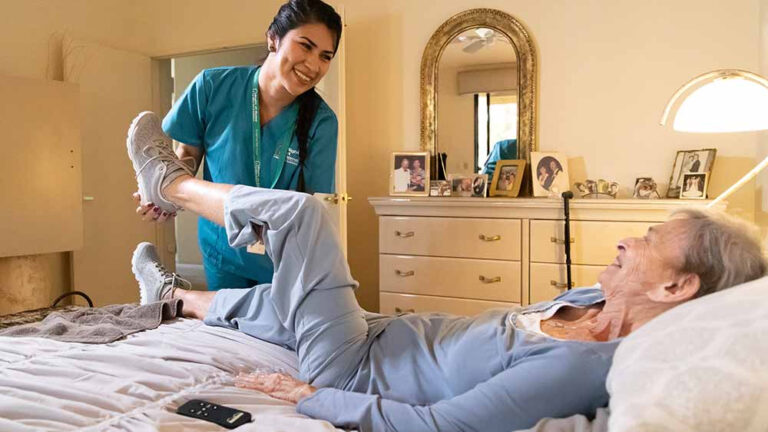
A home environment may need adjustments after a hospital stay. Care managers help identify risks and recommend changes to reduce the chance of falls or injuries. They also assist with mobility and daily activities, ensuring that you or your loved one can move safely and comfortably.
Choosing the Right Support
To find a top-rated care management provider, consider the level of care needed. Some seniors only require short-term coordination after discharge, while others need ongoing support due to chronic conditions, mobility issues or memory-related challenges. Understanding this difference helps you avoid both under-supporting and overloading your care plan.
Additionally, consider the medical complexity. If multiple medications, specialists, or treatment changes are involved, care coordination becomes essential to prevent confusion and reduce the risk of errors. Emotional and mental health support is also an important factor, as discussed by Jefferson Health, many seniors experience anxiety, depression or disorientation after leaving the hospital.
Top 4 Care Management Providers
If you’re exploring care management options, it can help to evaluate the top providers nationwide.
1. Corewood Care
Corewood Care is a top-rated care management provider in Maryland and Washington, D.C. It is widely recognized for its personalized, hands-on approach to care management. The provider supports both seniors and families during transitions, such as hospital discharges.

Corewood Care offers flexible and customizable services for you and your loved ones’ needs. From transportation to fall precautions, its dedicated care team offers an extra set of hands when you need it most, providing care services to people of all ages, physical conditions and cognitive abilities.
The practice uses state-of-the-art technology to coordinate senior care services efficiently and deliver excellent care to clients. Incorporating cutting-edge technology to support aging in place by maximizing optimal client and care suitability with real time care notes and reports, integrating medication monitoring and well-being monitoring.
What sets them apart is their strong focus on mental and emotional well-being, along with highly personalized care plans, which ensure you or your loved one receives quality care that meets your exact needs.
2. TheKey
TheKey is one of the largest in-home care providers in the United States, delivering services across a wide range of regions. Their care teams work collaboratively to ensure support is smooth, proactive and consistently high-quality.
From the initial consultation through long-term care, clients are supported by professionals who understand their situation, anticipate changing needs and take responsibility for delivering a reliable care experience.
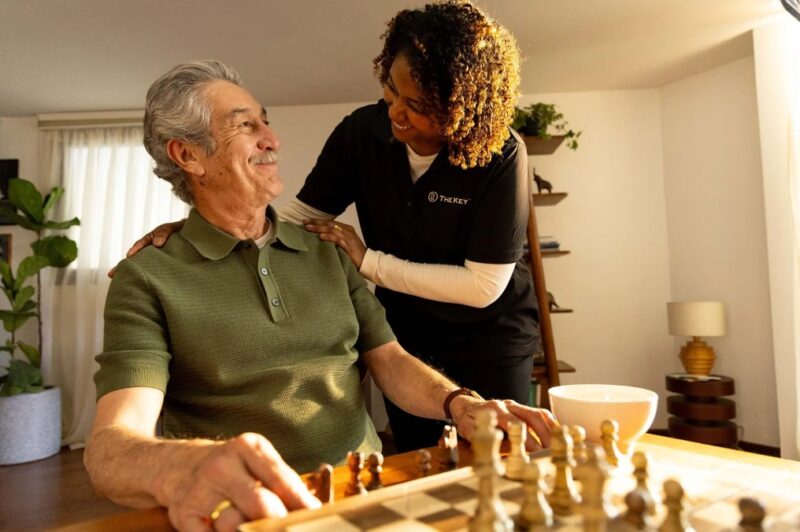
TheKey also follows its Balanced Care Method, which takes a holistic approach to well-being. This model emphasizes healthy nutrition, meaningful daily engagement and strong social connections.
The goal is to provide assistance with daily activities and to enhance quality of life by promoting purpose, activity and emotional well-being each day. What sets them apart is their broad national coverage, flexible care options and consistent service across locations to make them a convenient choice for families who need reliable care across multiple states.
3. Life Care Centers of America
Life Care Centers of America provides facility-based care, such as skilled nursing, rehabilitation and assisted living, rather than home health services. Their services are campus-based, focusing on inpatient and outpatient care within their own locations.
It provides support depending on a person’s level of independence and care requirements. Additionally, Life Care Centers can provide Alzheimer’s and dementia care for patients across the country. What sets them apart is their extensive network of facilities, with strong clinical and rehabilitation services that support complex medical needs, making them suitable for seniors who require advanced medical care or structured facility support.
4. Amedisys
Amedisys is a home-based healthcare provider focused on helping patients age comfortably in place across the United States. Their services span home health, hospice, and high-acuity care, all delivered with an emphasis on clinically strong and personalized support.

Their palliative care program is designed to ease pain, manage symptoms and reduce the stress associated with chronic illness, all within the comfort of your home. The main goal is to improve the overall quality of life for both patients and their families, helping individuals feel more comfortable and able to focus on what matters most to them.
In addition, Amedisys offers hospice care that provides a holistic approach for individuals nearing the end of life. This service focuses on dignity, comfort and emotional support, allowing you or your loved one to remain at home surrounded by family and friends during the final stage of life. Amedisys is best for individuals with chronic or terminal illnesses that need Palliative or Hospice care.
Frequently Asked Questions
Understanding the roles of care managers, their qualifications, and the importance of a well-developed care plan can help families make informed decisions and provide better support for their loved ones.
What Is a Care Manager?
A care manager is a professional who helps older adults, individuals with disabilities and their families handle the challenges that come with aging. They support families in handling issues such as health concerns, memory loss or loss of independence.
Do Care Managers Have Licensing and Certifications?
Care managers are required to hold specific licenses and credentials to demonstrate their expertise and reliability. These qualifications help ensure that they are capable of delivering professional and informed support.
What Is a Care Plan?
A care plan is a set of recommendations that outlines current support options along with anticipated needs over the next six months or longer. It may include suggestions such as home safety improvements, medication management approaches, meal planning, and other supportive services.
A Path Toward Better Recovery
The first week after a hospital discharge is a critical opportunity to set the stage for recovery. Even with sufficient effort, many of the challenges families face during this time stem from a lack of support and coordination.
The top-rated care management providers, such as Corewood Care, help bridge that gap. These organizations can bring clarity where there is confusion, structure where there is uncertainty and support where it’s needed most.