




This article contains:
- Why Seniors May Need Age-Aware Addiction Treatment
- What These Private Addiction Treatment Programs Offer
- Top 5 Addiction Treatment Programs Around the U.S.
- How These Programs Compare at a Glance
- Frequently Asked Questions
Finding addiction treatment for yourself or a loved one later in life can feel overwhelming. Many programs aren’t designed for older adults, and it can be hard to know which ones will see the person behind the diagnosis. The five private programs below each stand out for a different reason, so you can match care to what matters most.
Why Seniors May Need Age-Aware Addiction Treatment
Survey estimates show 9.1% of adults aged 60-plus had a substance use disorder within the past year, using pooled 2021-2022 data. In 2022, only 30.5% of those needing treatment received it.
Older adults are more likely to take prescription medications and have chronic conditions, including pain. Dual diagnosis means substance use and a mental health condition occur together.
If your loved one seems foggy after mixing pain medication and wine, ask for an assessment that considers medications, pain and sleep. You deserve help understanding what needs attention.
What These Private Addiction Treatment Programs Offer
The programs on this list offer different types of support for seniors and their loved ones. Each one brings a distinct strength, from low client-to-counselor ratios to programming for older adults, pain recovery, psychiatry expertise or outpatient access closer to home. These programs also provide:
- Licensing and accreditation: The programs operate through state-regulated care, and some hold additional accreditation from independent organizations.
- Counselor attention: The programs show how clients may receive individual support through counselor ratios, therapist access or session schedules.
- Age-relevant support: Several programs address needs that may matter more later in life, including chronic pain, prescriptions, dual diagnosis and older adult care.
- Treatment setting: The options include residential, inpatient, outpatient and community-based care.
Top 5 Private Addiction Treatment Programs Around the U.S.
These categories reflect different priorities, not a universal ranking of quality or coverage across all states.
1. Tranquil Shores (Florida): Best for a Low Client-to-Counselor Ratio
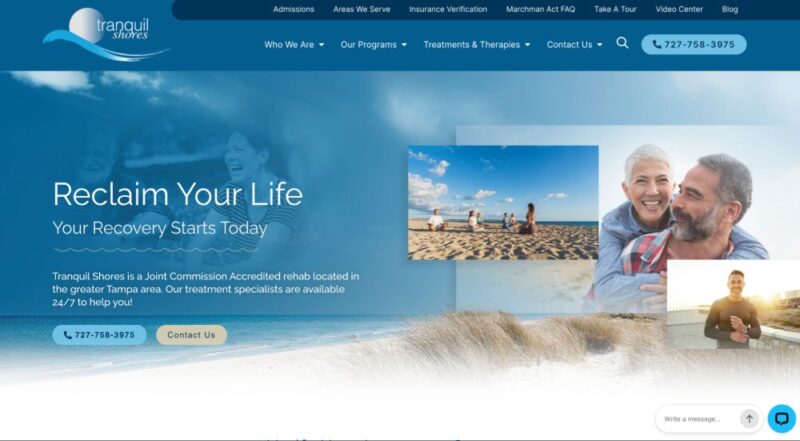
If you worry about feeling overlooked, Tranquil Shores offers a private addiction treatment program with three clients per counselor. Your loved one meets with a primary therapist three times in the first week, then twice weekly afterward.
Key features:
- Location and setting: Its single location is in Madeira Beach, a small community in Tampa Bay.
- Specialty focus: Care addresses substance misuse, dual diagnosis and trauma treatment.
- Treatment approach: The treatment program uses the Integrated Recovery Model.
- Clinical backing: It has Joint Commission accreditation and offers psychiatric assessment.
- Access options: Family aftercare connects you with groups or counselors in your area.
2. Rosecrance (Illinois): Best for Older-Adult Residential Programming
Rosecrance offers residential programming tailored to older adults. A screening before travel can clarify your loved one’s placement.
Key features:
- Location and setting: Its Harrison Campus serves adults in Rockford, Illinois.
- Specialty focus: Older-adult programming addresses aging alongside substance use.
- Treatment approach: It offers residential and community services.
- Clinical backing: Its programming addresses co-occurring mental health conditions.
- Access options: Virtual screenings are available.
3. Ashley Addiction Treatment (Maryland): Best for Chronic Pain Alongside Substance Use
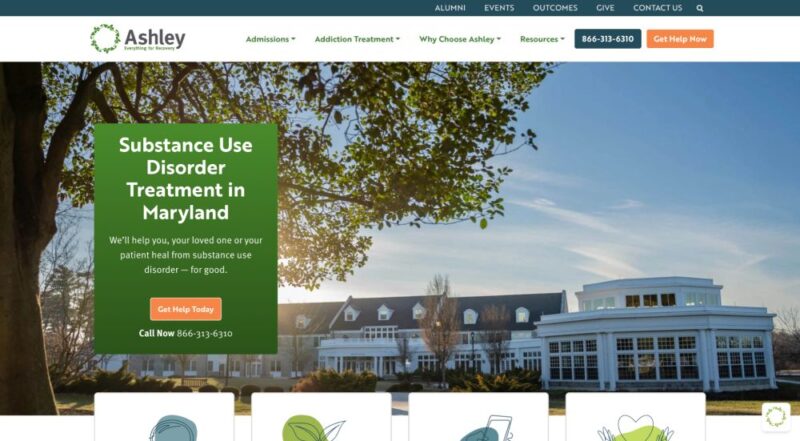
Ashley Addiction Treatment’s Pain Recovery Program addresses pain alongside substance use, so your loved one’s inpatient stay can include pain-management skills.
Key features:
- Location and setting: Its campus is in Havre de Grace, Maryland.
- Specialty focus: It offers specialized pain recovery care.
- Treatment approach: It offers inpatient and separate outpatient programs.
- Clinical backing: It holds Joint Commission accreditation.
- Access options: Insurance coverage requires plan-specific verification.
4. McLean’s Fernside (Massachusetts): Best for Academic Psychiatric Expertise
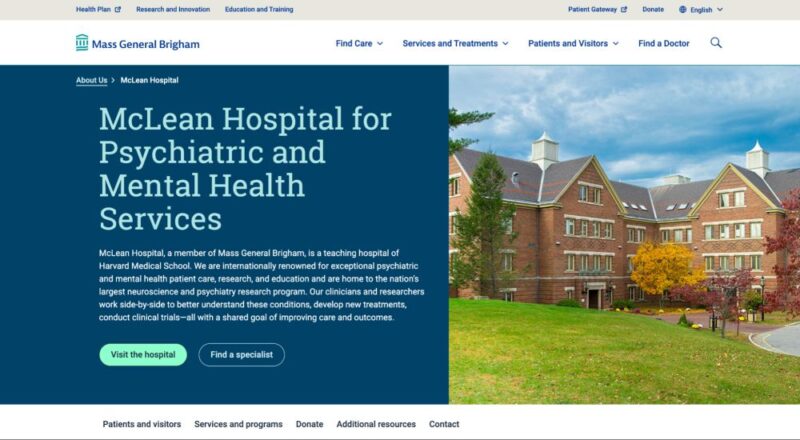
McLean’s Fernside offers residential addiction care through a Harvard Medical School teaching hospital. Your loved one’s stay can address depression alongside alcohol use.
Key features:
- Location and setting: The program is in Princeton, Massachusetts.
- Specialty focus: Care addresses co-occurring psychiatric conditions.
- Treatment approach: It offers residential addiction treatment.
- Clinical backing: McLean is affiliated with Harvard Medical School.
- Access options: It is self-pay and offers alum support.
5. Cumberland Heights (Tennessee): Best for Outpatient Care Close to Home
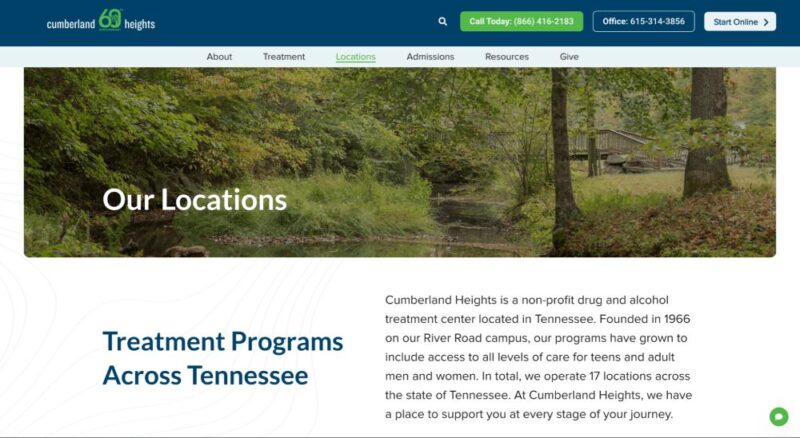
Cumberland Heights offers care across Tennessee. Ask about transitioning from residential treatment to outpatient care closer to home when appropriate.
Key features:
- Location and setting: Its River Road campus is in Nashville, Tennessee.
- Specialty focus: It offers a statewide treatment network.
- Treatment approach: An intensive outpatient program provides structured treatment several days weekly while you live at home.
- Clinical backing: It operates as a nonprofit.
- Access options: Alumni meetings include virtual options.
How These Programs Compare at a Glance
Use this snapshot when sharing options with family. Confirm age-related accommodations directly.
| Program | State | Best for | Care Settings |
|---|---|---|---|
| Tranquil Shores | Florida | Counselor attention | Personalized program |
| Rosecrance | Illinois | Older-adult focus | Residential and community |
| Ashley | Maryland | Pain care | Inpatient and outpatient |
| Fernside | Massachusetts | Academic psychiatry | Residential |
| Cumberland Heights | Tennessee | Local access | Residential and outpatient |
Before choosing a program, confirm the details that matter most to you or your loved one. Older-adult programming, counselor access and Medicare participation can vary by provider.
Federal analysis found about one-third of substance use treatment facilities offering outpatient services had older-adult programming in 2023, and fewer than half accepted Medicare. For alcohol treatment, National Institute on Alcohol Abuse and Alcoholism guidance recommends at least weekly one-on-one sessions.
Frequently Asked Questions
Start with these questions when contacting programs.
Choosing Care That Fits You or Your Loved One
Start with what matters most to you or your loved one, whether that’s counselor attention, pain care or staying nearby. Specific questions can make the search more manageable. You deserve clear answers before choosing care.
