





After a medical procedure or operation, one of the first major decisions you may face is where you’d like to recover. Some people move into a rehabilitation facility for short-term services, while others return home with professional nursing support and help from loved ones with the things to do when recovering from surgery.
If you or your loved one is deciding between private convalescence and a rehab facility, understanding the benefits, challenges and support options for at-home recovery can help you make a safer and more confident choice.
At-Home Healing as One of the Things to Do When Recovering From Surgery

For many patients, recovering at home feels more personal and easier to manage emotionally. Familiar surroundings, flexibility and one-on-one support often create a more comfortable healing environment. Recovering at home also gives you more privacy and independence than a rehab facility. You can rest in your own bed, follow typical routines and stay close to the people and pets that bring you calm during stressful times.
Private recovery may also lower exposure to illnesses that spread more easily in public environments.
According to the Centers for Disease Control and Prevention, one out of every 31 people in a hospital has a healthcare-associated infection, and exposure to any of the known infections can severely affect your chances. Contracting an infection remains a leading concern in hospitals and long-term care facilities.
Many people also find that emotional resilience thrives when surrounded by familiar smells, favorite blankets, family photos and quiet surroundings, which can reduce anxiety around independence loss and make healing feel less clinical. The emotional aspect is rarely considered in long-term recovery, such as after a hip replacement, which can take up to a year to heal fully.
At the same time, home recovery takes planning, especially when mobility, medication schedules or wound care are involved. A successful healing depends on preparation and support. A few practical steps can make daily life much easier while your body heals.
Considerations for a Safe At-Home Recovery
Setting up your space ahead of time helps reduce stress after surgery, especially during the first few days when movement can feel difficult.
Preparing Your Space for Post-Operative Wellness
Focus on creating a comfortable area where you can rest, eat, take medications and keep important items nearby, such as a walker if walking is one of the things to do when recovering from surgery. Many providers recommend taking 1,000 extra steps per day, as it significantly boosts recovery and reduces readmission rates by 16%, with stays in medical centers as much as 6% shorter.
Helpful preparations include:
- Clear walkways: Remove rugs, cords and clutter that could cause trips and falls.
- Create a mini medical station: Keep medications, water, chargers, snacks and other hygiene supplies within easy reach.
- Choose supportive seating: Firm chairs with armrests are usually easier to get in and out of after surgery.
- Limit stair use: If possible, arrange a temporary sleeping area on the main floor in a multilevel property.
- Improve bathroom safety: Add nonslip mats, shower chairs or grab bars if needed.
These adjustments may seem small, but they often make daily care far less exhausting.
Assembling Your Support System
Healing at home does not mean doing everything alone. Even patients who value independence usually need extra support during the early stages of recovery. Friends and family can help with meals, transportation, pet walking, laundry and medication reminders. Having one main point of contact also helps avoid confusion when appointments or care instructions change.
Some helpful things to do when recovering from surgery include:
- Keeping a written medication schedule
- Preparing simple meals in advance
- Setting reminders for hydration and movement
- Asking someone to attend follow-up appointments
- Planning transportation before surgery day
Arrange financial support ahead of the procedure, which may include post-operative or home-based care that Medicare’s typical 100-day limit won’t cover. Consult the relevant Medicaid authorities about registration and set up the services before you or your loved one needs them.
Emotional support also matters. Recovery can feel isolating, especially for older adults or people managing anxiety, depression or cognitive changes alongside physical healing.
Understand Professional Nursing Support
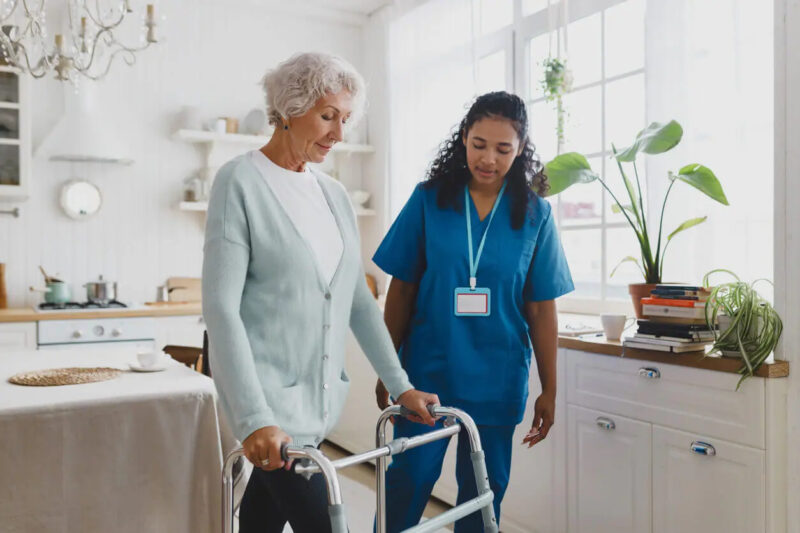
Family members can provide valuable support, but professional nursing adds medical expertise that most loved ones cannot safely manage on their own. Home health nurses help monitor your progress while reducing the need for repeated hospital follow-up visits.
With 17.5% of the population over the age of 65, it’s not surprising that nine out of every 10 senior people want to age in their own residences and not in a group facility. This is where a health aid or nurse can help.
Depending on your needs, a nurse may assist with:
- Medication management
- Wound care and dressing changes
- Monitoring blood pressure, temperature and oxygen levels
- Watching for signs of infection or complications
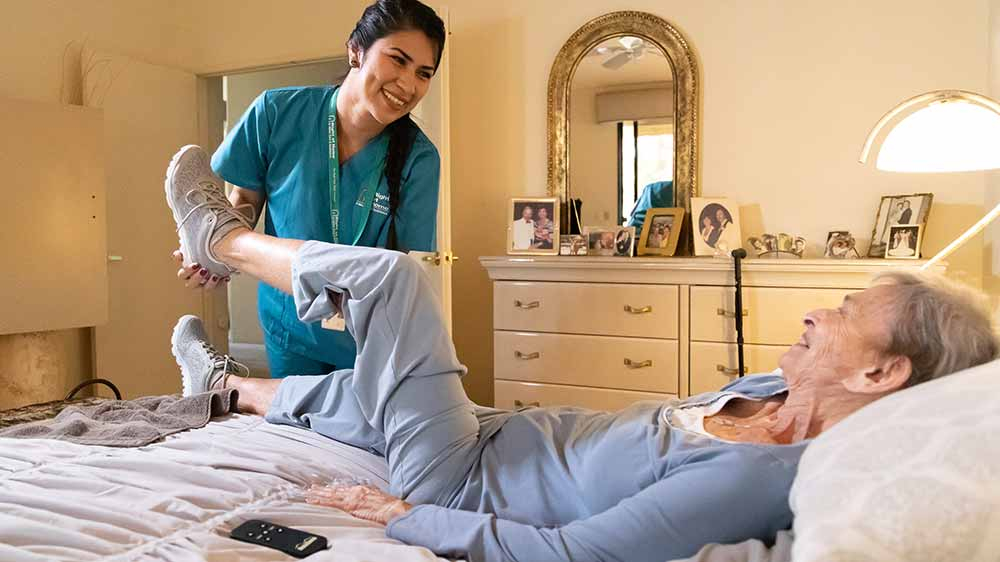
- Assisting with mobility exercises
- Coordinating communication with doctors and specialists
This type of personalized service often feels more focused than the shared attention patients receive in busy rehab facilities. Home nurses and health aides may also notice subtle warning signs earlier because they can focus on one patient in a familiar environment. That consistency means patients feel more secure and less overwhelmed during recovery.
Find Quality Nursing Care — What to Look For
Find a suitable agency to work through or hire an independent contractor, but ensure you check their credentials and availability. They must be someone who maintains a regular schedule for visits to assess your loved one’s condition. Additionally, they should be independent and communicate well, have appropriate critical and solution-based thinking and slot in well with your living environment.
If the nurse doesn’t feel comfortable in your space, they may not focus as effectively on your loved one’s care. When the aide feels supported by their employer, they enjoy their work more and will likely feel safer about asking questions and reporting symptoms early.
Empowering the nurse also means they’ll keep an eye out when you’re not around, so your loved one avoids doing things they shouldn’t, such as trying to do housework or lying in bed too long, which can cause poor circulation. Safe movement speeds up bowel function, helping flush toxins from the system.
Create a Checklist for Your Home Healing Plan

Follow a list of preparations to ensure you and the space are ready for your loved one upon their return after surgery.
| Before Checklist | After Checklist |
| ✓ Set up a comfortable recovery area ✓ Remove tripping hazards and clutter ✓ Prepare meals or grocery deliveries ✓ Arrange transportation and caregiver help ✓ Fill prescriptions and organize medications ✓ Keep medical supplies within easy reach |
✓ Take medications as directed ✓ Attend follow-up appointments ✓ Stay hydrated and eat balanced meals ✓ Move carefully as approved by your doctor ✓ Monitor for swelling, fever or infection signs ✓ Ask for help with chores and daily tasks |
Healing Feels Different at Home
For many, recovering at home preserves their sense of dignity, calm and familiarity. Sometimes, rehab facilities cannot provide this level of comfort. Professional nursing support is part of the plan, bridging the gap between medical needs and a caring human touch. A trained health aide can help patients heal safely while staying connected to their normal routines and loved ones.