

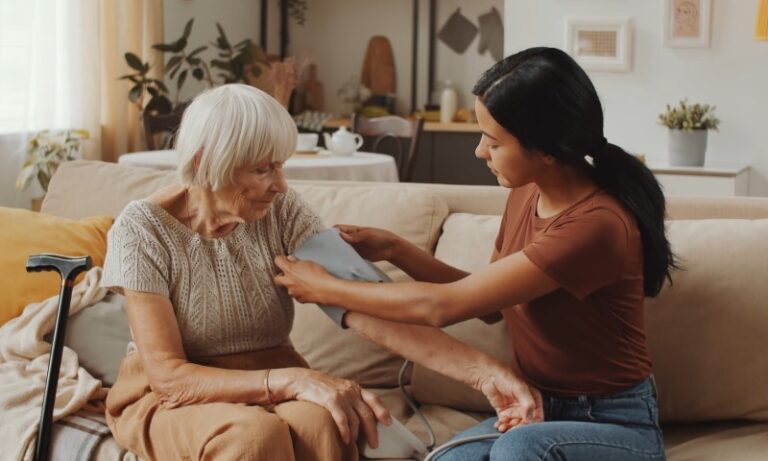






Elder care enters a period of rapid change in 2026 as demographics shift, costs climb, and technology accelerates.
Home-based models, preventive strategies, and personalized services now shape seniors’ daily health outcomes.
A growing desire to remain at home creates strong momentum for solutions that focus on comfort, autonomy, and measurable wellness gains.
- Cognitive
- Physical
- Emotional well-being
Let’s check the latest elder care trends that help with surprising health gains.
1. Hyperbaric Oxygen Therapy (HBOT)
HBOT delivers concentrated oxygen inside a pressurized chamber, raising oxygen levels throughout the blood and tissue in ways not achievable in normal conditions.
Adoption grows rapidly in 2026 as families seek measurable improvements in cognition, mobility, and long-term vitality.
Clinical providers and home care programs expand offerings after observing consistent gains in seniors who receive structured HBOT sessions.
Increased accessibility also rises due to organizations such as the LA hyperbaric oxygen center, which help familiarize families with safe equipment, treatment expectations, and home-friendly options.
HBOT’s impact reaches far beyond basic wound care.
Many seniors experience improved mental clarity, steadier focus, and slower progression of dementia-related symptoms. Greater oxygen saturation supports healing for chronic wounds, including those associated with diabetes or extended immobility.
Reduced inflammation leads to improved comfort during daily movement, while enhanced circulation strengthens cardiovascular performance.
Rising demand aligns with a shift toward full-body restoration carried out within seniors’ homes, minimizing disruptions to daily routines and enabling consistent scheduling.
Care agencies incorporate HBOT into broader wellness plans designed to keep elders more active, more stable, and more confident in their independence.
2. Technology-Enhanced Aging in Place
- Safety
- Comfort
- Daily efficiency
Home technology now supports routine living, symptom monitoring, and communication without demanding advanced skills or specialized installation.
Smart Homes and AI Monitoring

Smart thermostats, automated lighting, and voice-responsive assistants create adaptive home settings aligned with seniors’ natural habits.
Wearables track heart rate variability, gait changes, sleep quality, and daily activity, feeding continuous data into AI systems that study routine patterns.
Early warnings rise in accuracy as AI flags deviations related to dehydration, infection risk, or fall probability.
Telehealth access adds flexibility by allowing timely guidance, medication updates, and quick triage without travel burdens.
- real-time alerts that notify caregivers when movement patterns shift,
- predictive modeling that identifies developing risks before symptoms become visible,
- virtual consults that shorten wait times for medical input.
Social Connectivity Tools
Video calling platforms built for ease of use help seniors maintain regular contact with family and close friends.
Care systems now integrate chat features, group sessions, and virtual activity rooms that promote emotional well-being.
Increased interaction strengthens resilience, reduces isolation, and nurtures participation in routines that contribute to long-term cognitive steadiness.
3. Hyper-Personalized and Holistic Care Plans
Care programs in 2026 emphasize preferences, emotional states, health history, mobility levels, and comfort.
Agencies focus on alignment across daily rhythms and support approaches, creating environments where seniors feel more secure and more willing to engage.

Mental and Emotional Health Focus
Cognitive support strategies now include tailored memory activities, games designed around personal interests, artistic sessions, and predictable social interactions.
Caregivers gain training that emphasizes calm communication, emotional reassurance, and behavioral stability. Individuals with memory impairments receive structured routines that ease anxiety, promote familiarity, and support orientation.
- personalized activity plans based on hobbies or past experiences,
- conversation-based engagement that reinforces recall and emotional grounding.
Flexible Scheduling and Specialized Training
Support ranges from short weekly visits to full-time home-based care, giving families numerous options for structure and intensity.
Agencies advance caregiver expertise in dementia response, Parkinson’s mobility guidance, and post-operative stabilization.
Seniors benefit from teams capable of addressing specialized symptoms without disrupting routines that support comfort.
4. Automation and AI in Care Delivery

AI reshapes operational processes by reducing manual strain, increasing accuracy, and enabling faster decision-making.
Agencies rely on coordinated digital systems that support communication among caregivers, administrators, and families.
Top Technologies
AI-driven scheduling systems assign caregivers based on skill sets, location, and visit requirements, reducing delays and mismatches.
Digital reporting tools streamline documentation and improve clarity in care notes.
EVV systems confirm arrivals and departures with precision, supporting accountable billing and transparent tracking.
- reduced clerical workloads
- more reliable caregiver routing
- standardized documentation that limits overlooked details
Caregiver Support and Productivity Gains
AI assistants handle routine tasks such as messaging reminders, noting symptom changes, and answering common questions.
Automated workflows free caregivers to prioritize direct interaction, emotional support, and personalized assistance. Increased operational efficiency boosts morale and strengthens overall care quality.
5. Preventive and Primary Care as First-Line Defense

Preventive strategies grow in importance as care programs and employer plans recognize the long-term effects of chronic disease.
Early detection and consistent management now guide structured health planning.
Preventive Measures
Routine screenings help catch issues such as hypertension, diabetes, or cardiac irregularities before they escalate.
Wellness checks observe shifts in appetite, mobility, mood, and cognitive patterns.
Senior participation increases due to incentive-driven programs that reward engagement in assessments, physical activity, and adherence to recommended care.
- scheduled monitoring designed to spot progressive changes,
- early-intervention protocols aimed at reducing hospitalization risk.
Primary Care Reimagined
Virtual-first clinicians offer regular follow-ups, faster access to guidance, and improved continuity for seniors with complex health needs.
Home-visit providers support individuals who struggle with travel or require physical assessments.
Stronger relationships between care teams and seniors lead to steadier condition management and fewer emergency episodes.
6. Rising Health Costs and the Shift to Alternative Care Models
Cost acceleration tied to medication pricing, chronic disease, and workforce aging forces families and employers to reassess traditional health structures.
New models aim to provide accountability, predictability, and broader access while reducing unnecessary expense.
Cost Pressures Intensify
Projected increases near nine percent push organizations to demand clearer performance reporting and more consistent value.
Health partners face expectations for improved chronic condition control, stronger preventive engagement, and better long-term outcomes.

Alternative Plan Structures
Virtual-first networks simplify access to clinicians while lowering reliance on hospital-based services.
Primary-care-centered coverage reduces fragmentation and encourages coordinated treatment paths.
Network-less options gain traction as they minimize administrative obstacles and expand provider flexibility.
Vendor Scrutiny and Transparency
Decision-makers increasingly prioritize partners capable of integrating data, sharing insights, and maintaining continuity across all care stages.
Platforms offering unified case management, symptom tracking, crisis alerts, and follow-up coordination receive greater attention for their ability to streamline senior support.
2026 Marks the Age of Empowered Elder Care
Elder health outcomes rise as families, caregivers, and providers embrace HBOT, AI support systems, individualized planning, and preventive care.
Seniors gain longer periods of independence, greater emotional stability, and improved physical resilience.
Early preparation helps families keep loved ones safe at home, while care providers that adopt these advancements strengthen quality, efficiency, and long-term satisfaction.