





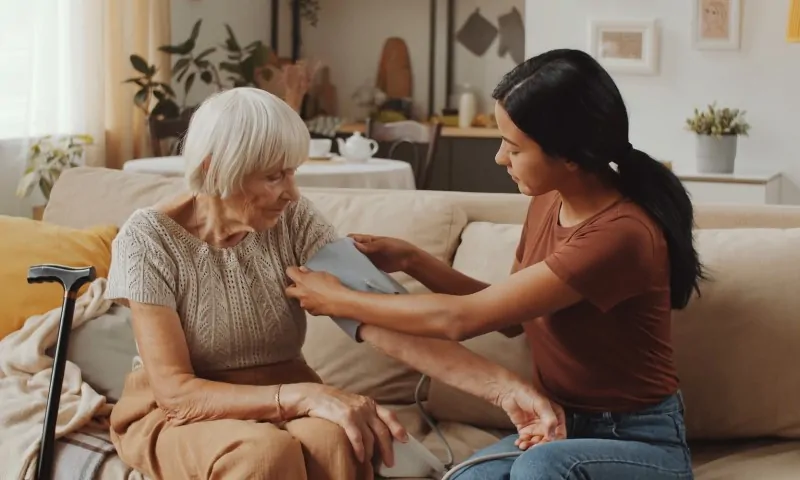

Caregiver shifts in assisted living provide structured support for residents as they move through daily routines.
Caregivers play an essential role in assisting with hygiene, meals, medication reminders, mobility, and emotional comfort.
Consistency across shifts helps residents feel secure and ensures that care remains reliable.
Key components of these shifts include the medication pass, routine resident rounds, and support tasks that address daily living activities.
When each part of the shift is completed with attention and care, residents experience a safer and more comfortable environment.
Medication Pass (Med Pass)

Medication assistance is a central responsibility during many caregiver shifts.
Med pass involves helping residents follow medication care plans and facility protocols.
Proper routines support compliance, reduce medication errors, and protect resident health.
Caregivers approach this task with focus and care, knowing medication routines affect both physical stability and resident confidence.
Role of the Caregiver in Medication Assistance
Caregivers help organize, monitor, and remind residents about medications.
Daily support often includes several important actions that keep residents safe, such as:
- Reading medication labels carefully
- Preparing doses according to facility policy
- Observing residents after medication is taken
- Reporting concerns to supervisors when needed
Assistance must always remain within the caregiver’s scope of practice and follow facility procedures. Safe medication routines build trust while protecting residents from missed doses or harmful reactions.
Pre–Med Pass Responsibilities

Preparation begins with reviewing medication schedules and checking the Medication Administration Record (MAR).
Organization before starting helps ensure every resident receives the correct support.
Caregivers complete essential steps before approaching residents, including:
- Gathering supplies ahead of time
- Confirming medications are not expired
- Checking resident care plans for special instructions
Resident identity must be confirmed carefully. Clear communication and a calm explanation of the process help residents feel comfortable and respected during medication routines.
During the Med Pass
Caregivers assist residents with self-administration when appropriate, offering support while allowing independence.
Medication labels must be compared to records multiple times as required.
Observation remains constant during med pass, since residents may show signs of an adverse reaction.
Common warning signs may include:
- Dizziness
- Nausea
- Confusion
- Unusual fatigue
Any unusual response must be reported immediately. Privacy and dignity remain priorities, especially in shared living spaces where residents may feel vulnerable.
Post-Med Pass Duties
After medication assistance is completed, caregivers document what was provided and note observations or concerns.
Accurate reporting supports safe follow-through during later shifts.
Situations that require clear communication include missed doses, refusals, or unusual reactions.
Caregivers must report:
- Refusals to take medication
- Missed or delayed doses
- Changes in behavior or condition
- Side effects observed after administration
Communication after med pass ensures continuity of care and helps staff respond quickly to changes in resident needs.
Support Tasks and Daily Care Activities
Support tasks fill much of the caregiver shift and focus on helping residents with activities of daily living.
Daily assistance strengthens comfort, helps maintain independence, and supports residents in living with dignity.
Caregivers often perform these duties steadily throughout the day, providing assistance that helps residents feel secure while maintaining as much personal control as possible.
Daily care activities also create routine.
Residents often rely on predictable support, especially when physical limitations, memory concerns, or chronic health conditions affect independence.
Caregivers provide steady assistance while remaining attentive to changes in resident needs.
Because these responsibilities require constant movement and hands-on care, caregivers benefit from wearing comfortable, durable women’s scrubs that support flexibility, professionalism, and ease throughout long shifts.
Personal Care Assistance

Caregivers assist residents with bathing, grooming, and dressing based on individual care plans.
Personal hygiene is closely tied to comfort, skin health, confidence, and emotional well-being.
Caregivers approach these tasks with sensitivity, ensuring privacy and respect during moments that can feel vulnerable for residents.
Personal care support often includes several hands-on responsibilities that help residents stay clean and comfortable, such as:
- Bathing assistance with attention to safety and modesty
- Grooming support including hair care, shaving, or nail care
- Dressing assistance based on resident preference and mobility level
- Oral hygiene routines that support dental health
- Skincare measures to prevent dryness or irritation
Mobility assistance may also be part of personal care, especially during dressing or bathroom routines.
Caregivers help residents safely use walkers, wheelchairs, or other supportive devices while preventing falls.
Comfort and dignity remain central during these tasks. Clear communication, gentle pacing, and resident choice help maintain a respectful care environment.
Nutrition and Hydration Support
Meal preparation and feeding assistance may be required for residents with limited ability. Nutrition affects strength, healing, energy, and overall health. Caregivers help residents meet dietary needs while also making mealtimes pleasant and calm.
Support during meals may involve food preparation, adaptive equipment, or direct feeding assistance. Encouraging hydration is equally important, since older adults may not recognize thirst as easily.
Caregivers stay alert to warning signs that intake may be declining, including:
- Residents skipping meals or eating very little
- Difficulty chewing or swallowing
- Noticeable appetite reduction
- Low fluid consumption during the day
Observation during meals allows caregivers to report concerns early. Changes in eating habits may signal illness, depression, medication effects, or swallowing difficulties.
Timely communication helps staff respond before malnutrition or dehydration occurs.
Mobility and Transfer Assistance
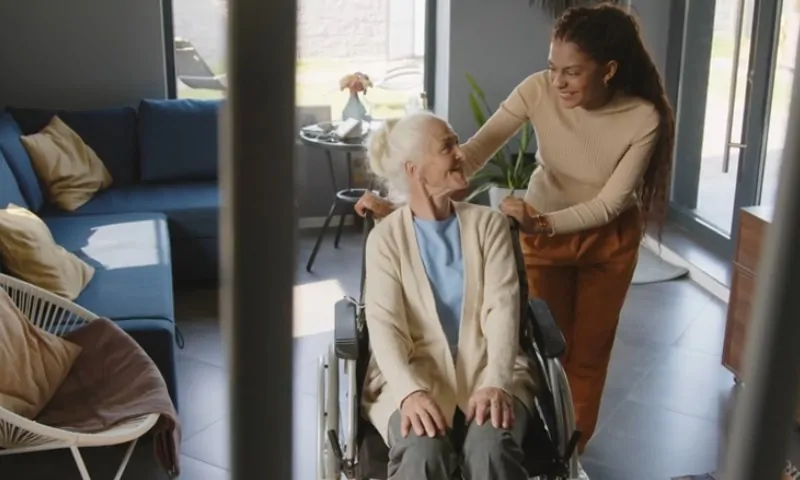
Safe transfers are essential for preventing injury. Many residents require assistance moving between:
- Bed
- Chair
- Wheelchair
- Bathroom
Caregivers assist with walking support and proper use of mobility aids, helping residents remain active while reducing fall risk.
Residents often depend on steady guidance during movement. Caregivers follow safe body mechanics and facility protocols to protect both resident and staff safety.
Transfer and ambulation support may include:
- Assisting with bed-to-chair movement using correct positioning
- Supporting residents while walking in hallways or common areas
- Ensuring walkers and wheelchairs are stable and within reach
- Preventing slips when residents stand or pivot
Confidence often improves when residents feel secure during movement. Consistent support helps residents maintain mobility while reducing fear of falling.
Household and Environment Support
Caregivers complete light household tasks that contribute to comfort and safety.
A clean and orderly living space reduces hazards, supports infection control, and helps residents feel at ease in their environment.
Household support also prevents accidents by removing obstacles and maintaining clear pathways.
Care tasks often include:
- Bed making and linen changes
- Laundry assistance for clothing or personal items
- Light cleaning to maintain hygiene
- Obstacle removal to reduce fall risk
Home safety checks also play a key role throughout the shift.
Resident Rounds
Routine rounds are scheduled checks that allow caregivers to observe residents regularly throughout the shift.
Rounds help maintain safety while creating opportunities to meet physical and emotional needs before problems develop.
Regular presence also reassures residents that support is always nearby.
Purpose of Routine Rounds
Regular rounds ensure comfort, support early detection of health changes, and help prevent falls.
Caregivers can notice shifts in mood, mobility, hydration, or overall condition. Early attention often prevents larger concerns later in the shift.
Observations during rounds may include:
- Increased confusion or anxiety
- Reduced mobility
- Signs of dehydration
- Changes in appetite or energy
Proactive care allows residents to receive help quickly instead of waiting until an issue becomes urgent.
Standard Rounds Tasks
@perfectlyflawed0902 How I keep my ALF top-notch every day! 🏡💙 #MorningRounds #AssistedLiving
Rounds include environmental safety checks such as clearing walkways, securing rugs, and confirming call devices are accessible.
Caregivers also observe resident status carefully, noting comfort, mood, and physical condition.
Support during rounds may involve tasks such as:
- Toileting and continence care
- Light repositioning for comfort
- Encouraging hydration
- Checking for fall hazards in resident rooms
Consistent rounds reduce risks while supporting resident well-being throughout the day.
Night and Overnight Rounds
Night rounds focus on quiet monitoring with minimal disturbance.
Caregivers watch carefully for wandering risks, fall hazards, and resident discomfort.
Extra attention is often needed during overnight hours since residents may wake confused or unsteady.
Night safety concerns often include:
- Wandering in hallways
- Poor lighting or obstacles
- Need for repositioning support
- Increased fall risk during bathroom trips
Gentle care and frequent safety checks help residents rest comfortably while preventing nighttime emergencies.
Closing Thoughts
Well-structured caregiver shifts combine medication assistance, resident rounds, and daily support tasks to create consistent care.
Strong routines protect resident safety, encourage medication compliance, and strengthen overall quality of life.
Caregivers who follow these responsibilities carefully help residents feel secure, supported, and respected each day.