




Home should feel easy to live in, especially during retirement. Small upgrades can lower fall risk, cut daily strain on joints, and make routines smoother from morning to bedtime. Many changes cost less than a major remodel and deliver comfort fast: better lighting, safer bathroom features, simpler door hardware, and walking paths that stay clear.
The guide below covers high-impact ideas that improve safety and day-to-day comfort while keeping a home familiar.
1. Upgrade Lighting
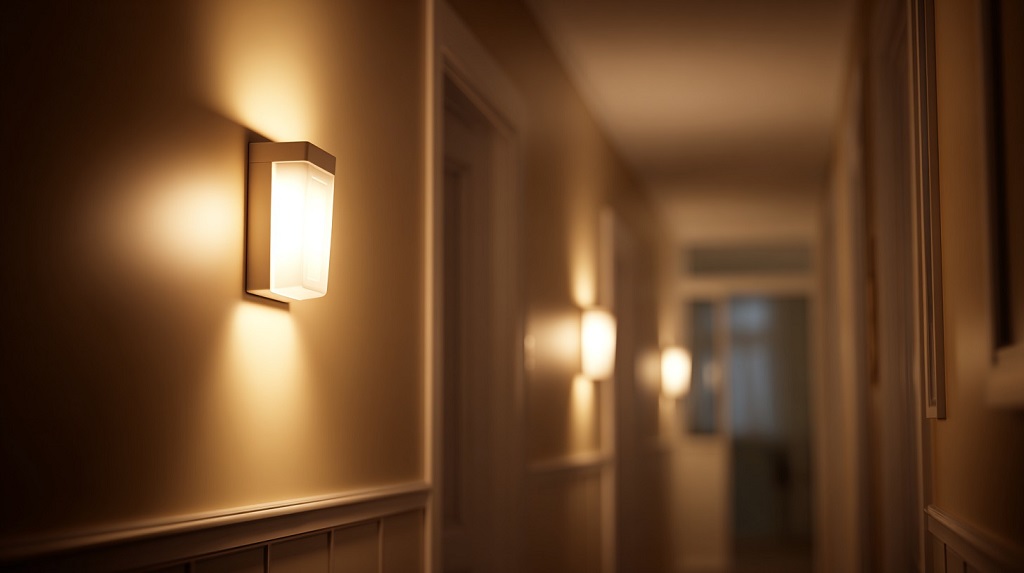
Lighting determines how safe a home is after dark. Poor placement creates shadows where depth perception already weakens with age.
Consistent light lowers fall risk and reduces eye fatigue during routine movement. Priority belongs to paths used every single day.
Lighting Placement And Intensity
Install motion-activated lights along the bedroom-to-bathroom route and in the main hallways. Use warm white LED bulbs in the 2700K to 3000K range for clarity without glare.
Add a second light source in rooms that rely on a single ceiling fixture to keep corners visible.
Also, keep in mind that other details can affect the overall ambiance of the lighting setup. For example, the color of the walls, curtains, and additional details like a brick fireplace.
2. Remove Trip Hazards
Most falls begin with ordinary objects left in ordinary places. Rugs shift, cords drift, furniture inches inward over time.
A predictable walking path matters more than decoration. Clearing space improves both safety and ease of movement.
Floor And Path Control
Remove loose throw rugs from high-traffic areas or secure them fully with non-slip backing. Route electrical cords along walls and behind furniture instead of across open space.
Keep the path from bed to bathroom open at all hours, without exception.
3. Add Grab Bars
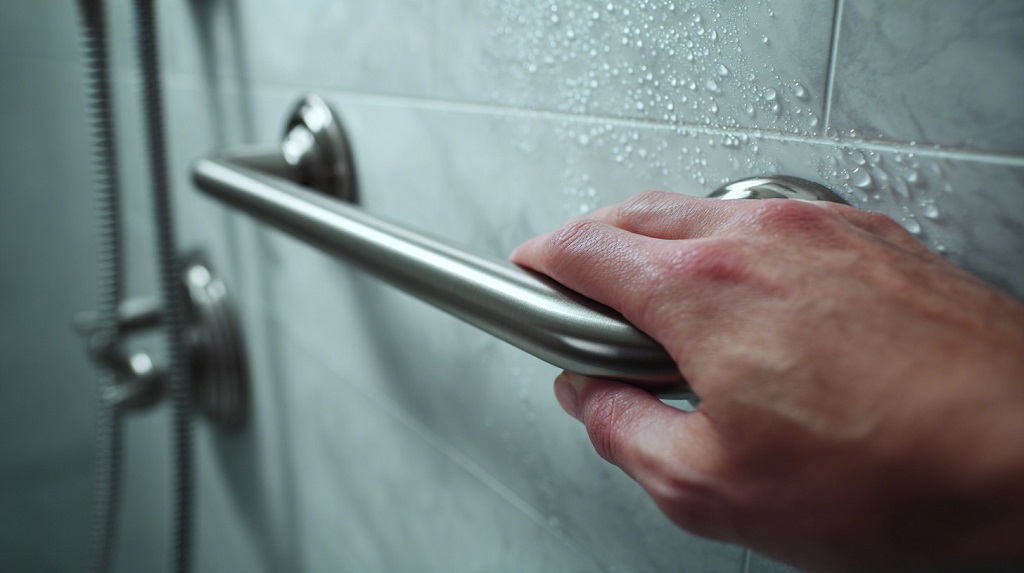
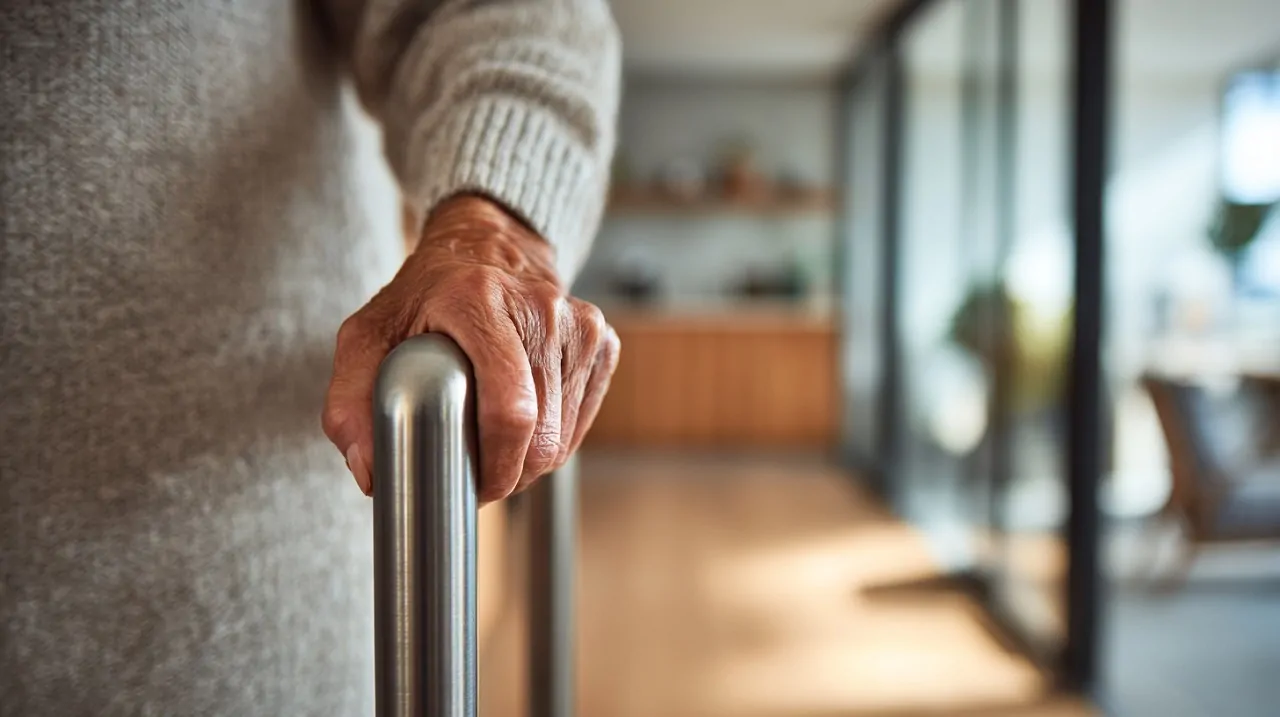
Grab bars provide stability at moments when balance fails without warning. Installation before a fall matters more than design or finish.
Proper placement supports natural movement rather than forcing a reach. Strength and anchoring decide effectiveness.
Placement That Supports Motion
Install bars inside the shower at entry height and along the long wall. Add a bar near the toilet positioned for pushing up to standing. Anchor every bar into studs or rated wall supports and test for zero movement.
4. Improve Bathroom Safety
Bathrooms combine slick surfaces, hard edges, and tight turns. Even confident walkers face a higher risk in wet conditions. Small changes reduce danger without altering daily habits.
Focus stays on footing, support, and control.
Wet Area Adjustments
Apply non-slip strips or mats inside the tub or shower.
Add a stable shower seat that stays flat under full weight. Install a handheld shower head with a mount reachable from a seated or standing position.
5. Raise Toilet Height
Lower toilets strain knees and hips during every sit and stand. Repetition turns a small effort into daily discomfort and higher fall risk.
Proper height supports safer transfers without changing bathroom layout. Comfort improves immediately.
Height And Support
Install a comfort height toilet or a secure raised seat rated for full body weight. Seat height should allow feet to stay flat while standing up without rocking forward.
Pair with a nearby grab bar for steady balance.
6. Install Lever Handles
Twisting motions challenge hands affected by stiffness or reduced grip strength. Door knobs and round faucet handles demand force at the wrong angle.
Lever-style hardware supports natural movement and faster response. Daily tasks become simpler without learning anything new.
Where Levers Matter Most
Replace handles on entry doors, bathroom doors, and bedroom doors first. Use lever faucets at sinks and in the shower for easier control with wet hands.
Choose designs that return smoothly without resistance.
7. Add Non-Slip Flooring
Floor surfaces influence stability more than footwear. Glossy finishes increase risk in areas where spills or moisture appear.
Traction creates confidence while walking, especially during turns. Flooring changes deliver long-term safety.
Surface Choices
Use slip-resistant vinyl, textured tile, or matte finish flooring in the bathroom, kitchen, and entryway.
Avoid polished stone and slick ceramic in wet zones. Secure all transitions between flooring types so edges stay flush.
8. Improve Stair Safety
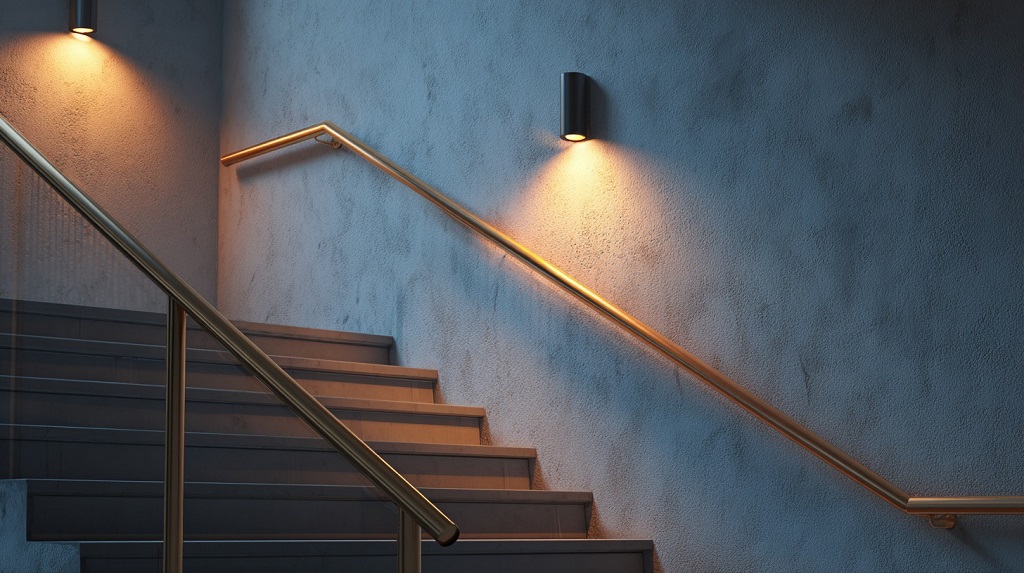
Stairs demand balance, vision, and timing at the same time. Fatigue or poor lighting turns steps into a hazard fast.
Safety upgrades here protect both daily use and emergencies. Stability and visibility matter most.
Support And Visibility
Install sturdy handrails on both sides of the staircase, mounted at a consistent height. Add bright, even lighting that covers every step without shadow gaps.
Mark stair edges with subtle contrast strips to improve depth perception.
9. Create a Step-Free Entry
Entry steps cause trouble long before mobility devices enter the picture. A single rise demands balance while carrying bags or managing a door.
Level access supports safer movement and easier return home. Daily use makes the difference clear.
Entry Access Adjustments
Install a zero-step threshold or a short ramp with a gentle slope. Add a sturdy handrail where a grade change remains unavoidable.
Use slip-resistant surface material and weather protection to prevent slick conditions.
10. Widen Pathways
Tight turns and narrow gaps force awkward movement. Furniture placement often shrinks walking space over time without notice.
Open pathways reduce hesitation and lower collision risk. Calm movement follows clear space.
Interior Layout Control
Maintain wide, straight walking lanes between main rooms and toward the bathroom. Move furniture away from corners that interrupt the natural flow.
Remove low tables or decorative items that sit below knee height.
11. Reorganize Storage
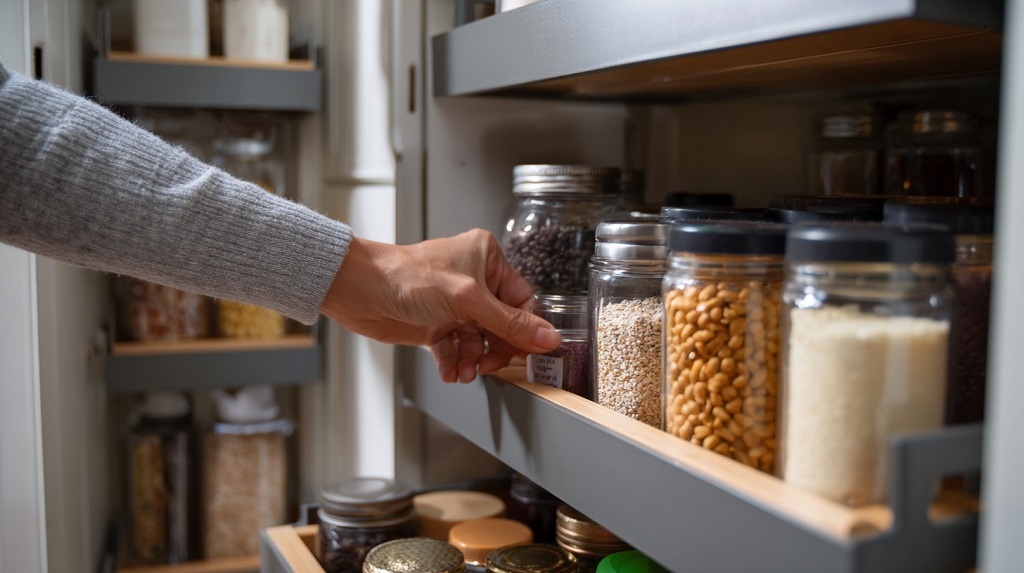
Reaching high or bending low adds strain and imbalance. Storage designed for standing adults rarely matches aging movement.
Better placement protects joints and prevents sudden loss of balance. Convenience improves at the same time.
Storage Height And Access
Place daily use items between the shoulder and the knee level. Add pull-out shelves and rotating trays inside cabinets. Store heavier items at waist height to avoid lifting strain.
12. Upgrade Kitchen Ease
The kitchen combines standing, reaching, lifting, and turning. Small inefficiencies add up during meal preparation.
Simpler hardware and layout changes reduce fatigue. Independence stays intact.
Functional Kitchen Changes
Install D pull handles on drawers and cabinets for easier grip. Use soft-close drawers to prevent slamming and sudden stops.
Place frequently used appliances within easy reach to limit stretching or bending.
13. Improve Seating Comfort
Seating affects posture, balance, and the ability to stand without strain. Low or soft chairs trap the body and increase effort during rising.
Supportive seating encourages longer, more comfortable use. Daily relaxation should not become a physical challenge.
Chair And Couch Setup
Choose chairs with firm cushions and solid armrests to assist standing. Seat height should allow feet to rest flat while knees stay slightly below hip level.
Place seating on stable flooring so legs do not shift during movement.
14. Add Smart Home Helpers

Simple technology can reduce unnecessary movement and reaction time. Voice or touch controls help manage daily tasks without rushing.
Reliability matters more than complexity. Convenience supports safety.
Practical Smart Additions
Use voice controlled lighting in main rooms and bedroom. Install a programmable thermostat with a clear display and simple controls.
Add a doorbell camera or intercom for awareness without opening the door.
15. Boost Temperature Comfort
Temperature swings affect sleep, circulation, and overall comfort. Drafts and uneven heating force frequent adjustments.
Stable indoor conditions reduce stress on the body. Comfort supports better rest.
Climate Control Improvements
Seal drafts around windows and doors to prevent cold air flow. Use a programmable thermostat to maintain consistent indoor temperature.
Add ceiling fans with wall controls to improve air circulation without noise.
16. Reduce Maintenance
Ongoing upkeep becomes harder with time and physical strain. High effort chores increase risk of falls and overuse injuries.
Low maintenance choices protect energy for daily living. Simplicity brings relief.
Low Effort Solutions
Replace high care flooring with easy clean surfaces. Choose exterior materials that resist weather and wear.
Simplify yard care with ground cover, drip irrigation, or professional maintenance services.
17. Improve Bedroom Setup
The bedroom sets the tone for rest and nighttime safety. Poor layout increases risk during low light movement.
Small adjustments improve both comfort and confidence. Sleep stays uninterrupted.
Bed And Night Access
Set bed height to support easy standing without rocking. Keep a clear, direct route to the bathroom. Place a reachable light control near the bed for immediate visibility.
18. Improve Sound And Privacy
Noise affects rest, concentration, and sense of calm. Thin doors and hard surfaces amplify sound. Better control improves comfort throughout the home. Privacy adds peace of mind.
Sound Control Measures
Seal door gaps to reduce sound transfer. Use heavier curtains or soft wall treatments in echo prone rooms. Replace hollow core doors in bedrooms when noise becomes an issue.
19. Add Emergency Readiness
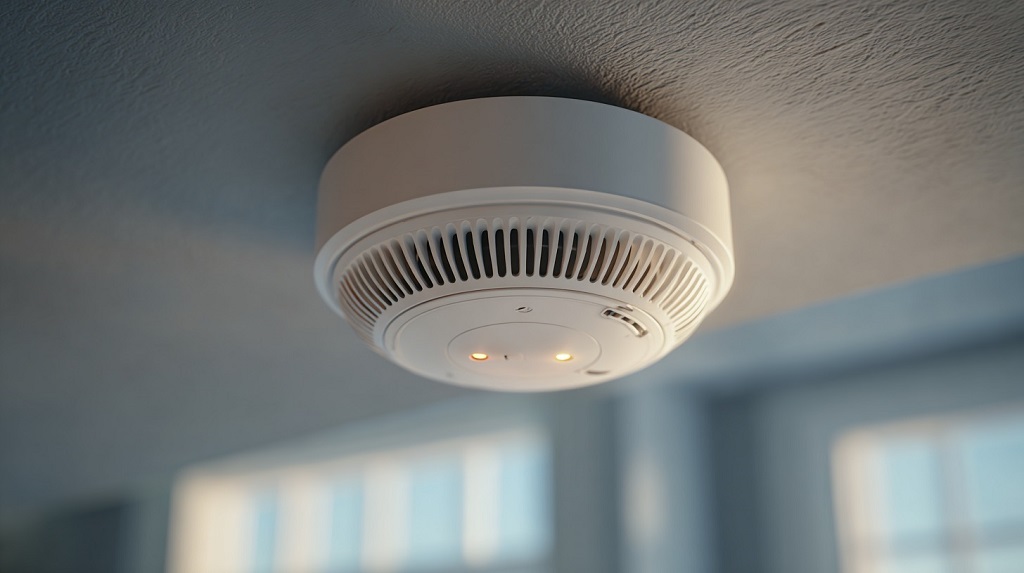
Preparedness matters when response time counts. Clear access to help reduces stress during emergencies. Visibility and communication play a central role. Planning supports confidence.
Safety And Alert Systems
Install smoke and carbon monoxide alarms with audible alerts. Keep a charged phone within reach at all times. Display clear house numbers outside for emergency responders.
Last Words
Comfort in retirement comes from preparation, not reaction. Homes that support steady movement, clear vision, and simple routines allow independence to last longer.
Small upgrades, done early, prevent bigger problems later. A house adjusted with care becomes a place that works quietly in the background, day after day, without demanding attention.